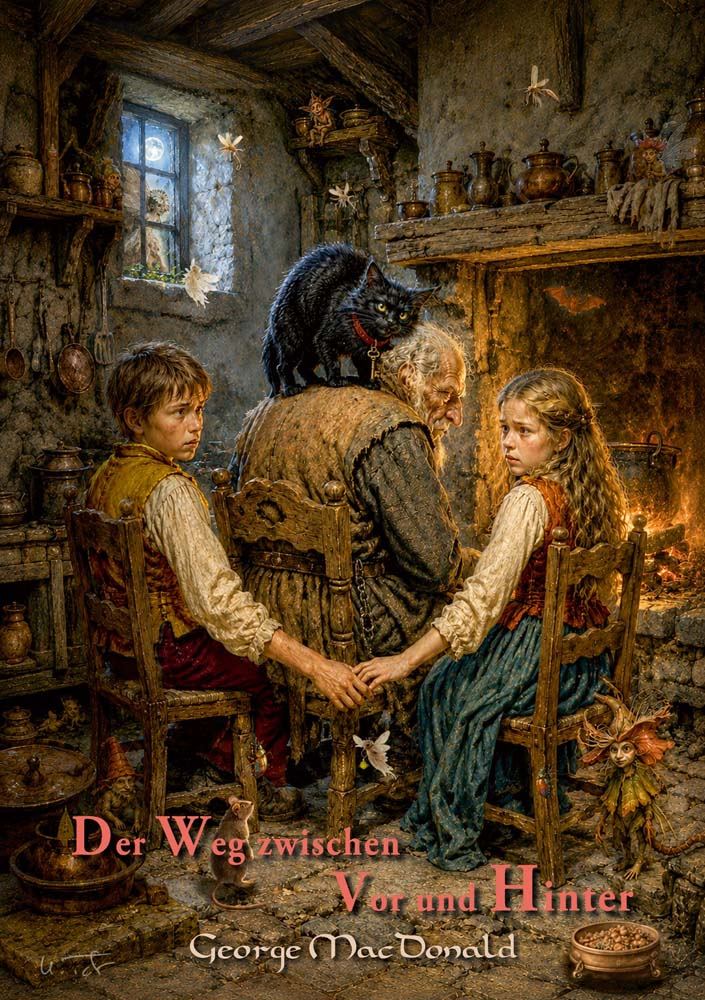
Description


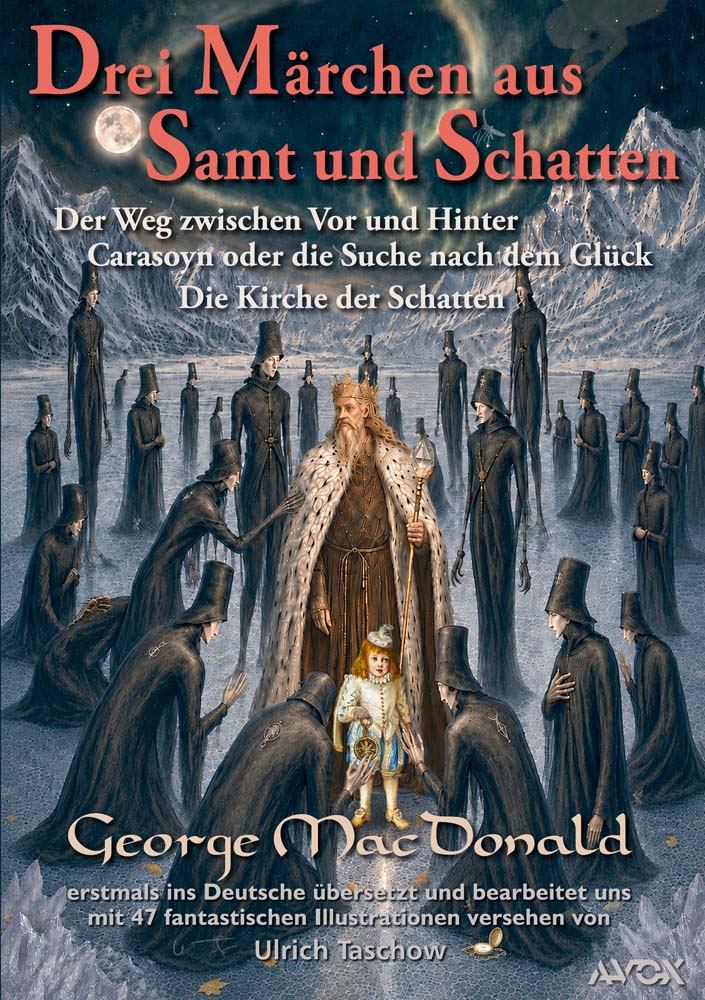
Drei Märchen aus Samt und Schatten
Three Tales of Light and Shadow: The Way Between Before and Behind – Carasoyn, or The Search for Happiness – The Church of Shadows
von George MacDonald
Translated and adapted from the English for the first time by Ulrich Taschow
With 47 fantastic illustrations by Ulrich Taschow
244 pages, 47 illustrations, published in 2026, Binding: Softcover, Series: avox fantasia, ISBN: 978-3-936979-23-7, Sample Afterword
Target Audience
George MacDonald (The Fantastic Imagination, 1893): “For my part, I do not write for children, but for the childlike, whether of five, or fifty, or seventy-five.” A book for readers who appreciate sophisticated fantasy literature and artistic illustration.
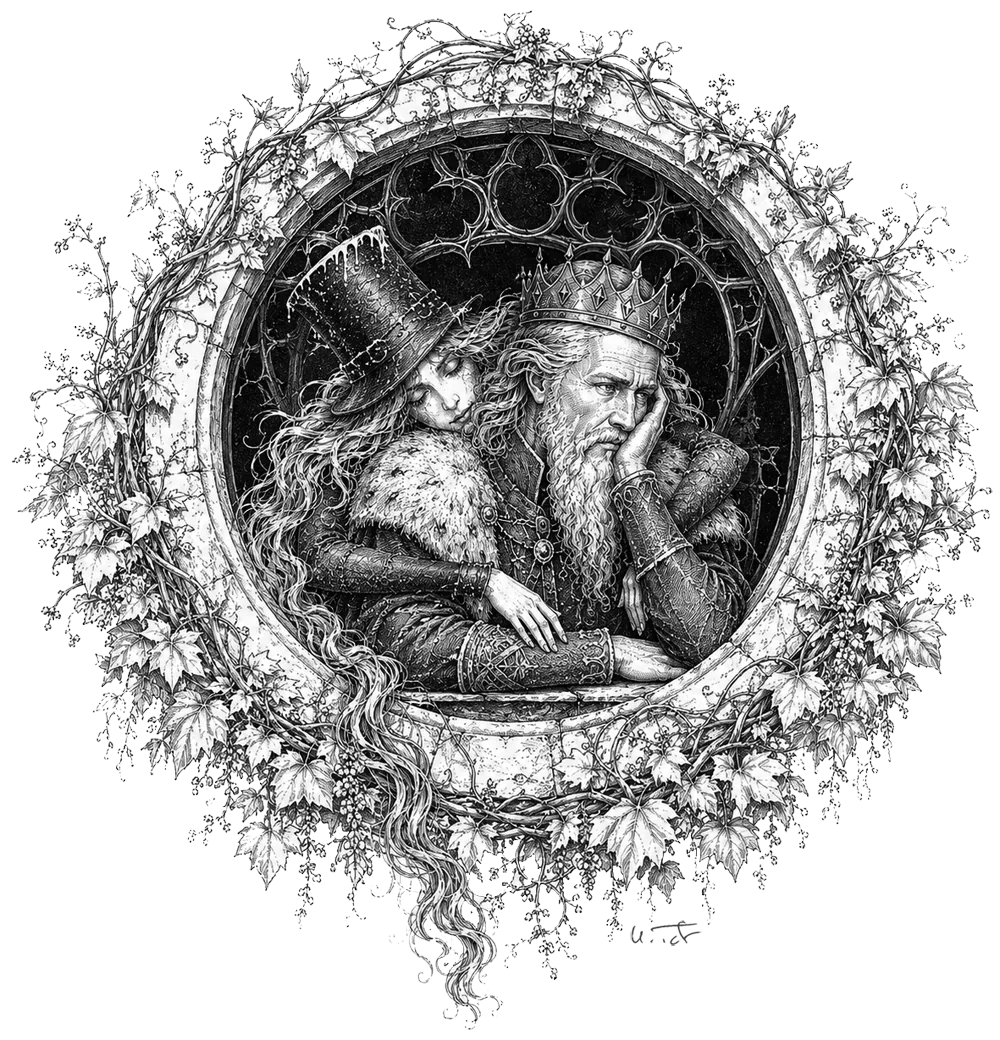
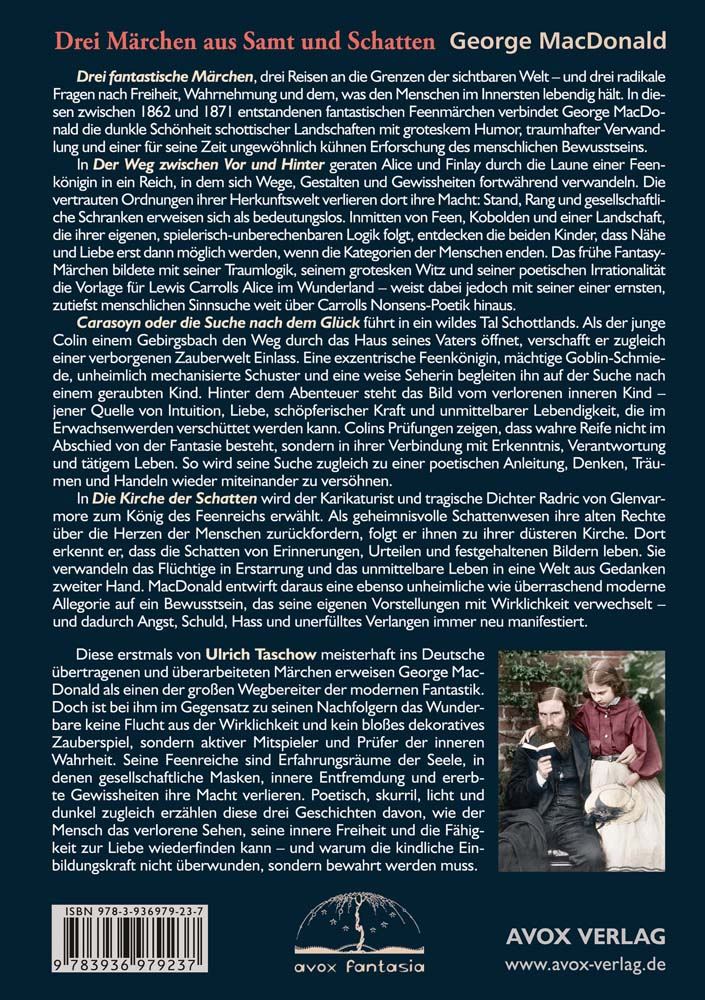
Three Tales of Velvet and Shadow are three fantastic journeys to the limits of the visible world—and three radical explorations of freedom, perception, and what keeps the human spirit alive at its deepest core. In these fantastic fairy tales, written between 1862 and 1871, George MacDonald combines the dark beauty of the Scottish landscape with grotesque humour, dreamlike transformation, and an exploration of human consciousness that was remarkably bold for its time.

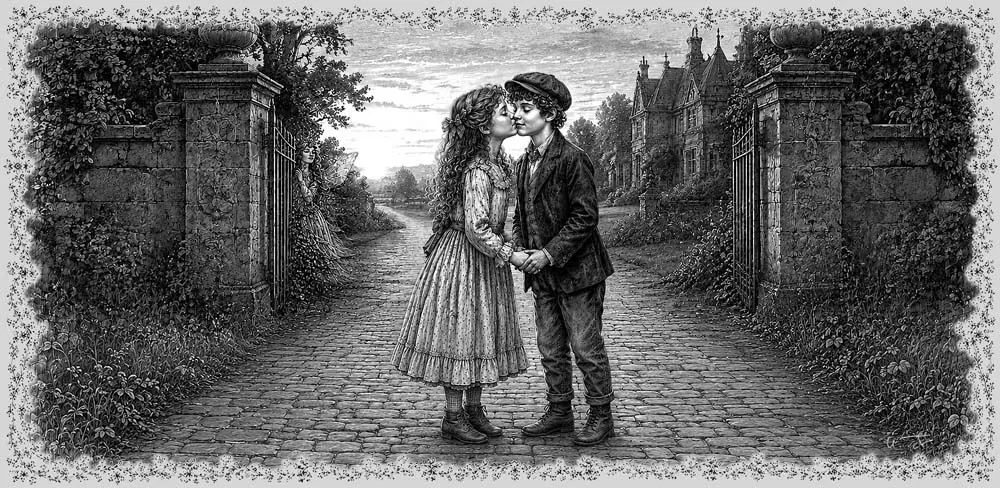
In The Way Between Before and Behind, Alice and Finlay are swept by the whim of a fairy queen into a realm where paths, forms, and certainties are forever changing. The familiar structures of the world they come from lose their power there: status, rank, and social barriers prove meaningless.
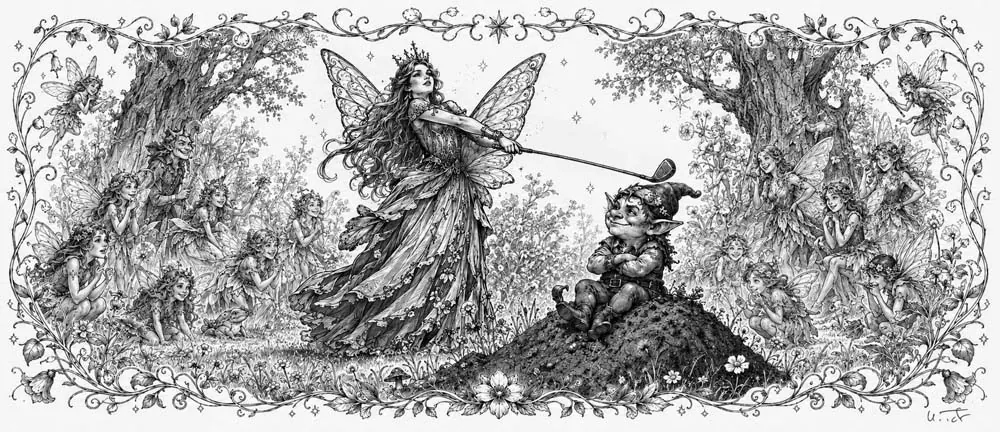
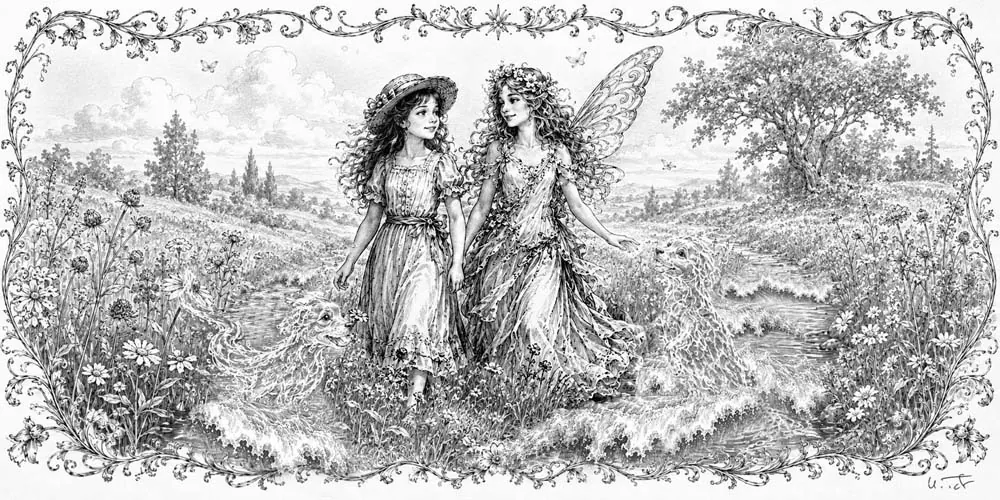
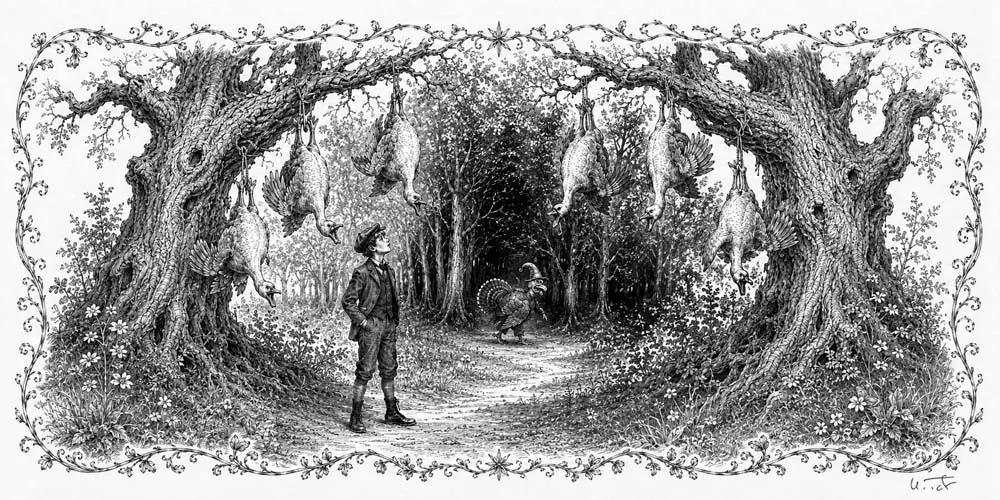
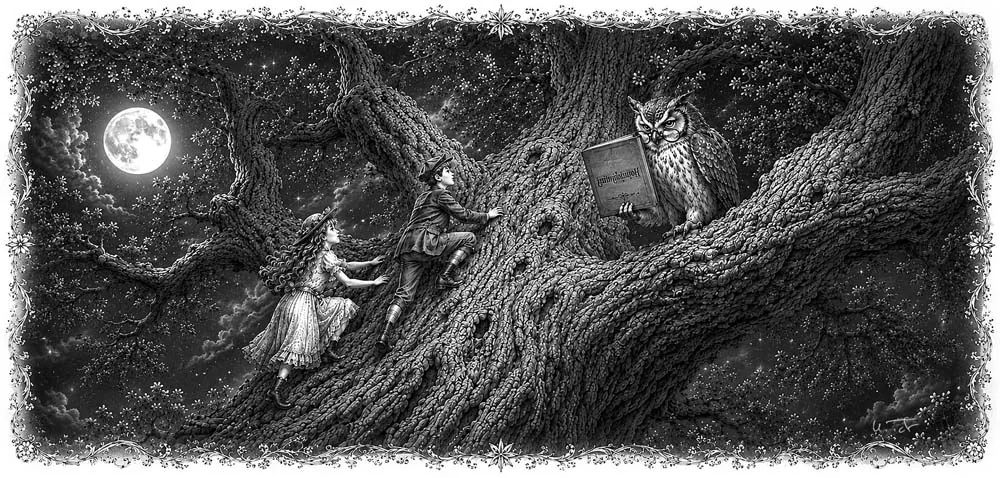
Amid fairies, goblins, and a landscape governed by its own playful and unpredictable logic, the two children discover that closeness and love become possible only when human categories cease to matter.
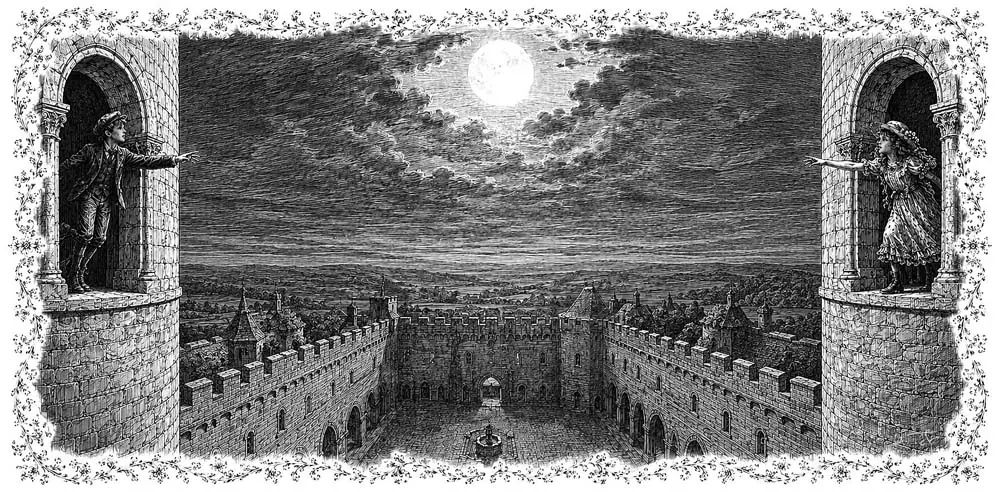
With its dream logic, grotesque wit, and poetic irrationality, this early fantasy tale served as an inspiration for Lewis Carroll’s Alice’s Adventures in Wonderland. Yet its serious and profoundly human search for meaning reaches far beyond Carroll’s poetics of nonsense.
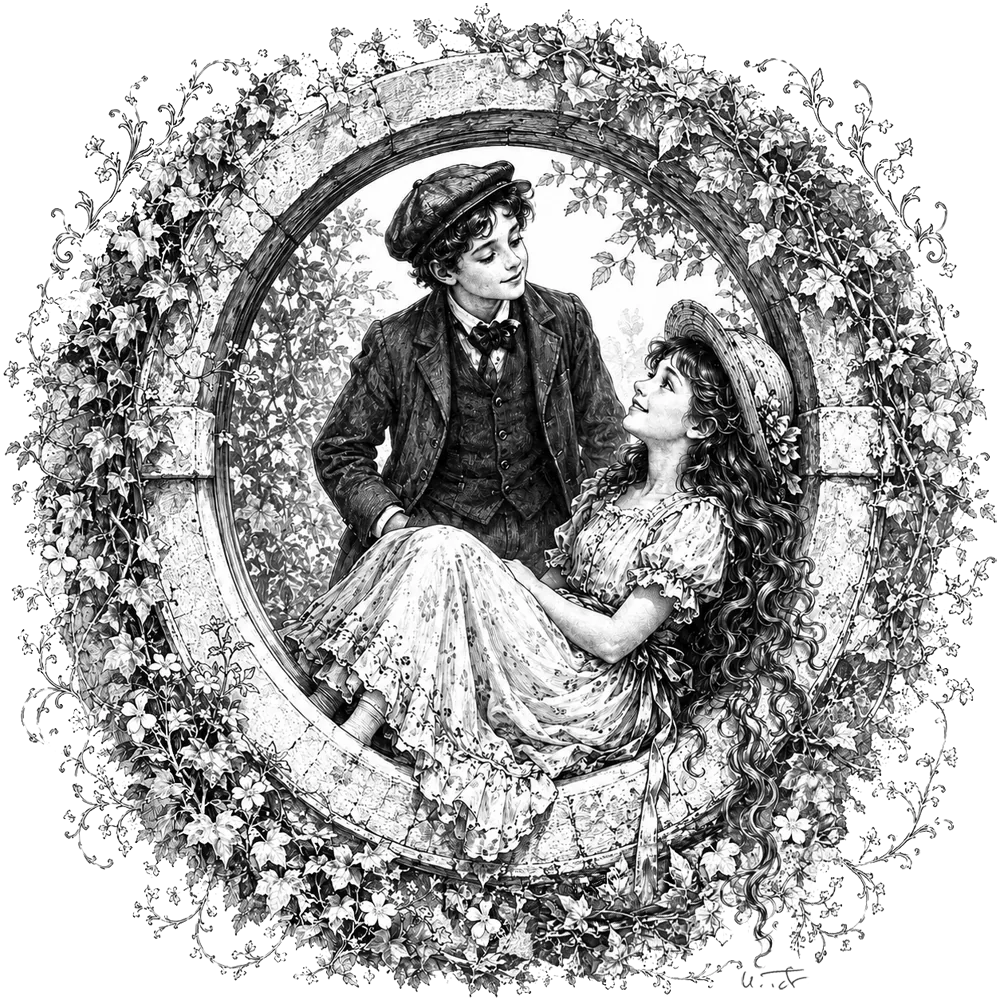
With its dream logic, grotesque wit, and poetic irrationality, this early fantasy tale served as an inspiration for Lewis Carroll’s Alice’s Adventures in Wonderland. Yet its serious and profoundly human search for meaning reaches far beyond Carroll’s poetics of nonsense.

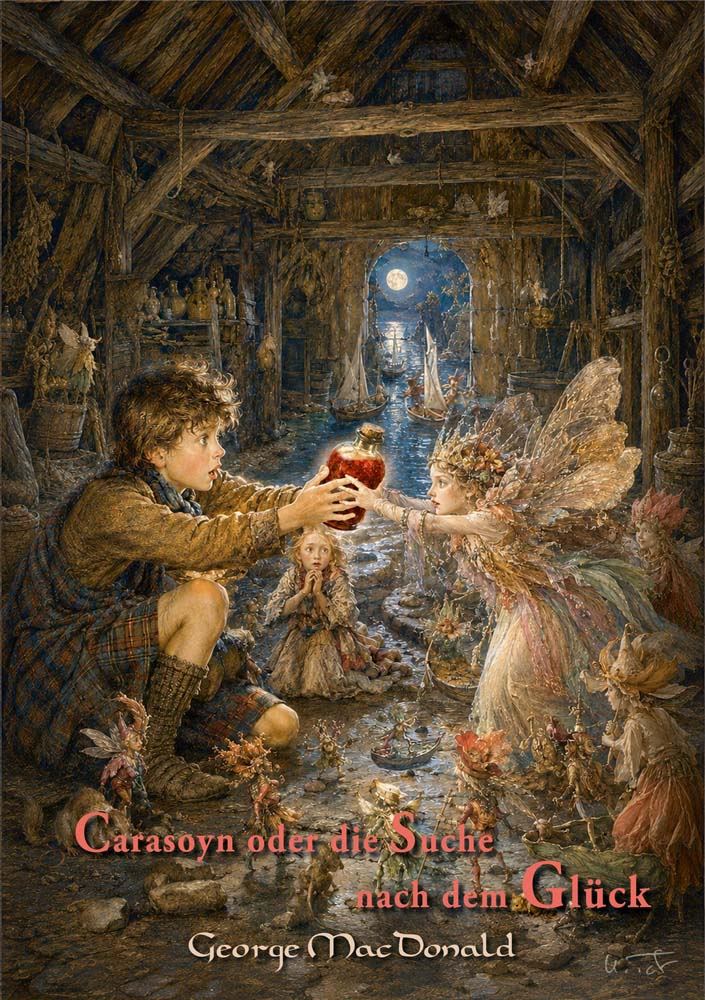
Carasoyn, or The Search for Happiness takes us into a wild Scottish valley. When young Colin opens a way for a mountain stream to flow through his father’s house, he also grants entry to a hidden enchanted world. An eccentric fairy queen, powerful goblin smiths, eerily mechanised shoemakers, and a wise seer accompany him on his search for a stolen child.
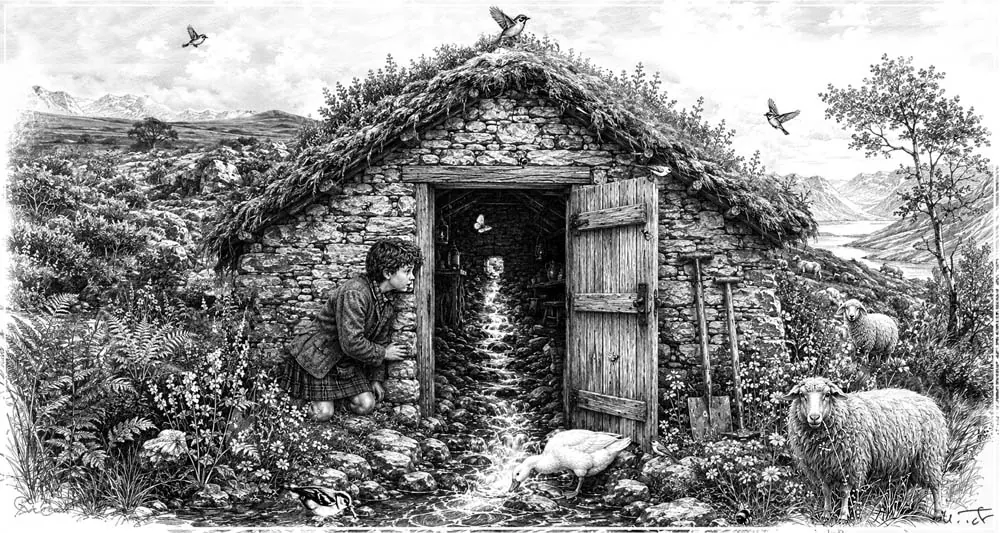
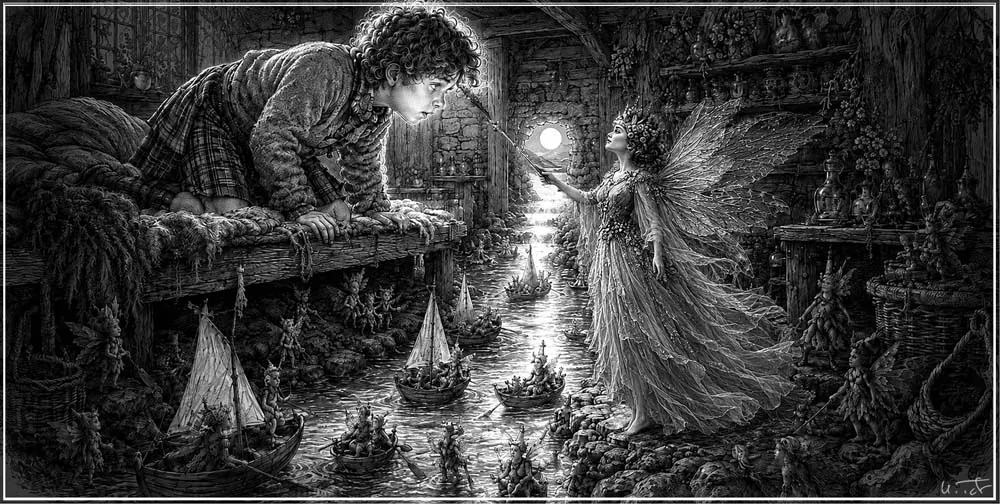
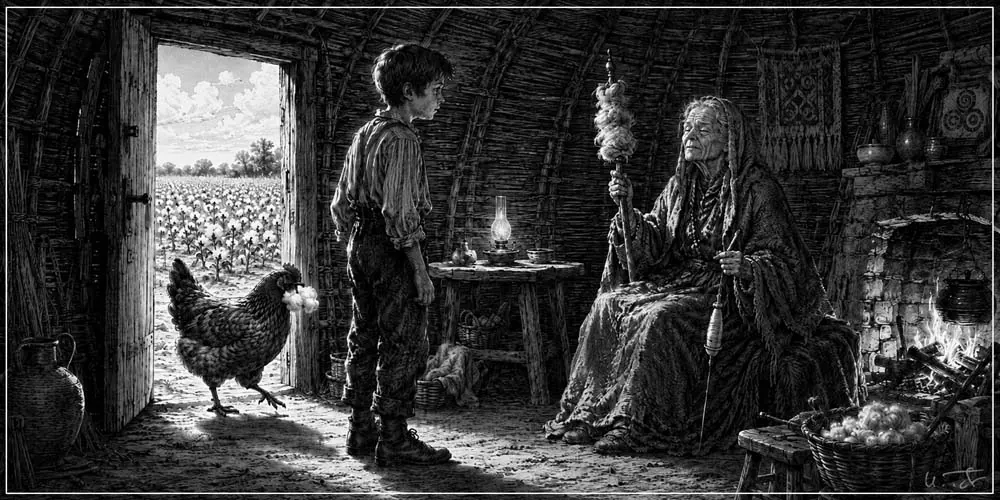
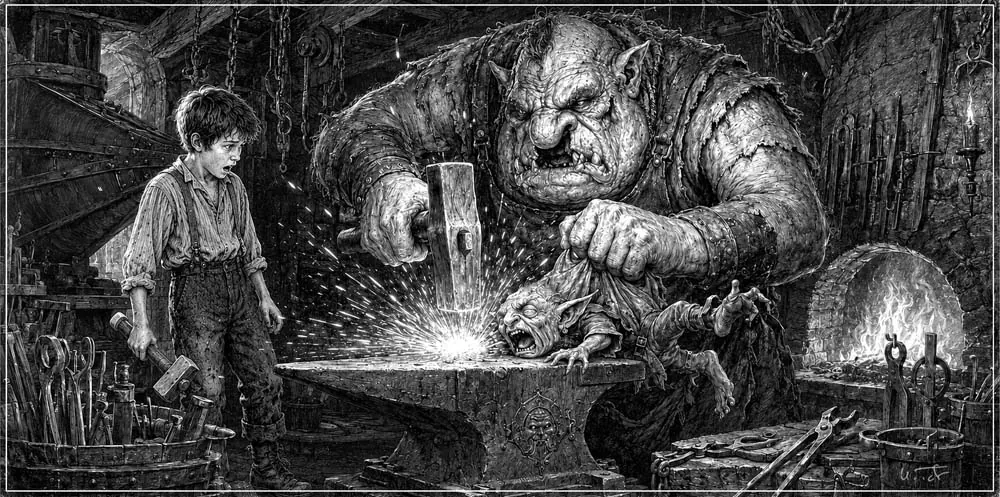
Behind the adventure lies the image of the lost inner child—that source of intuition, love, creative power, and immediate vitality that can become buried in the process of growing up.
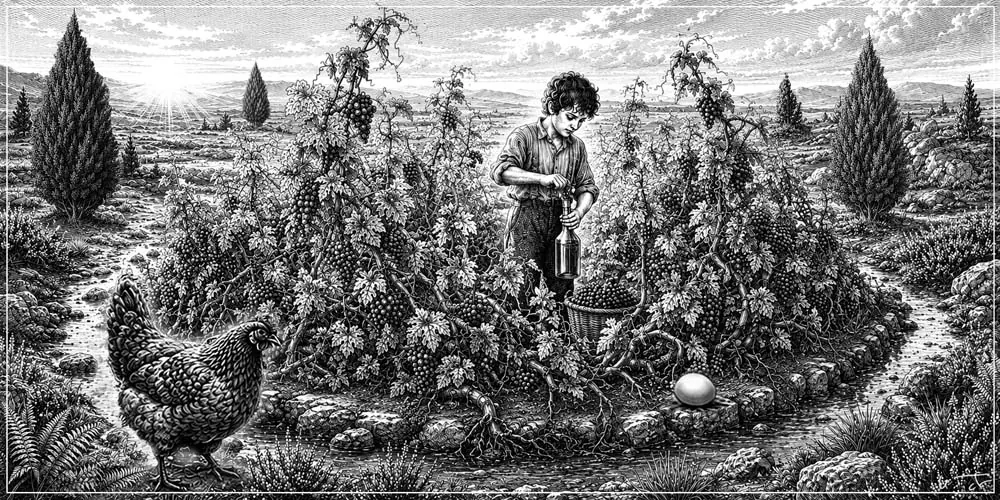
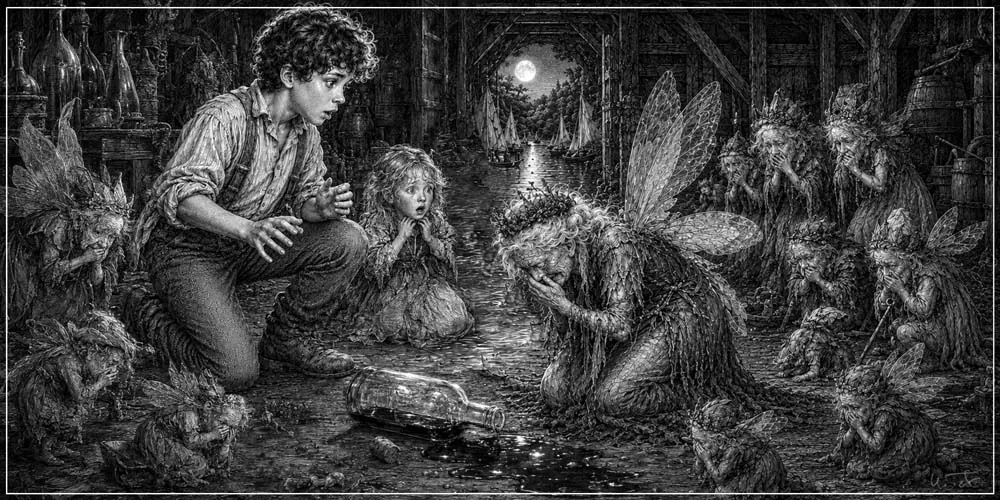
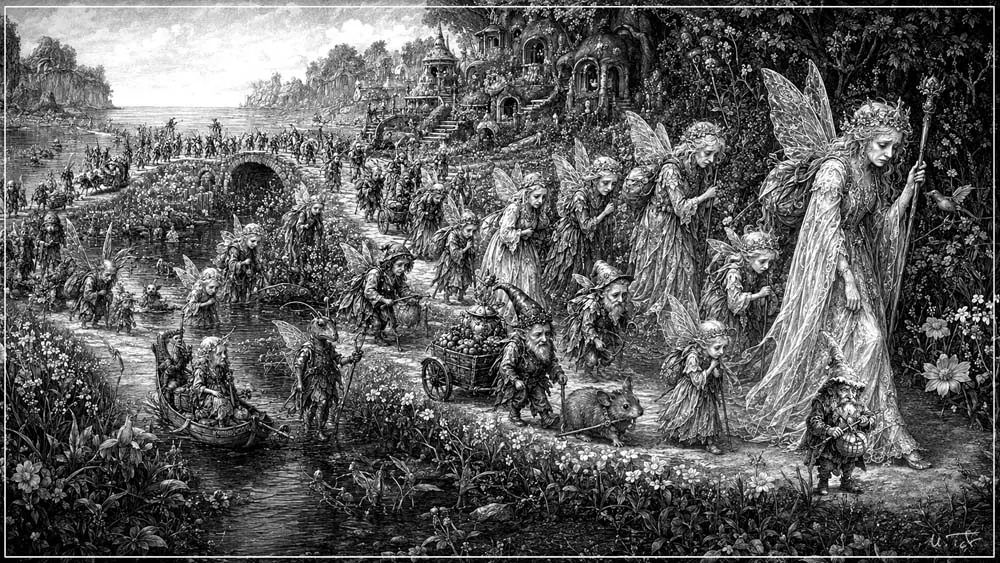
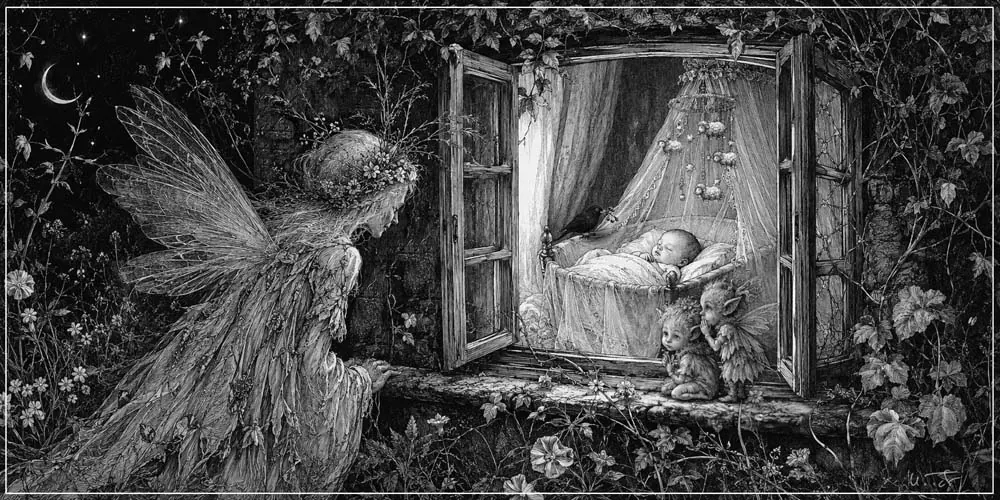
Colin’s trials reveal that true maturity does not lie in abandoning the imagination, but in uniting it with insight, responsibility, and active engagement with life.
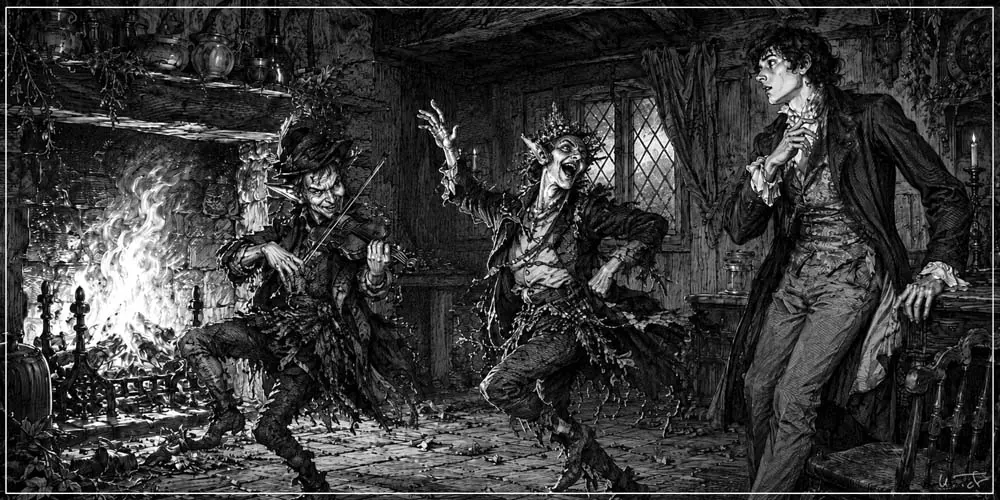
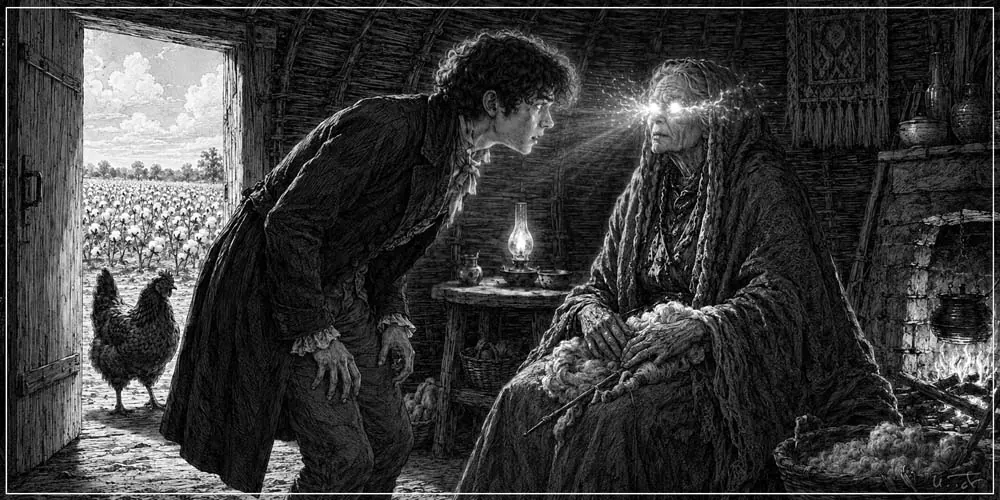
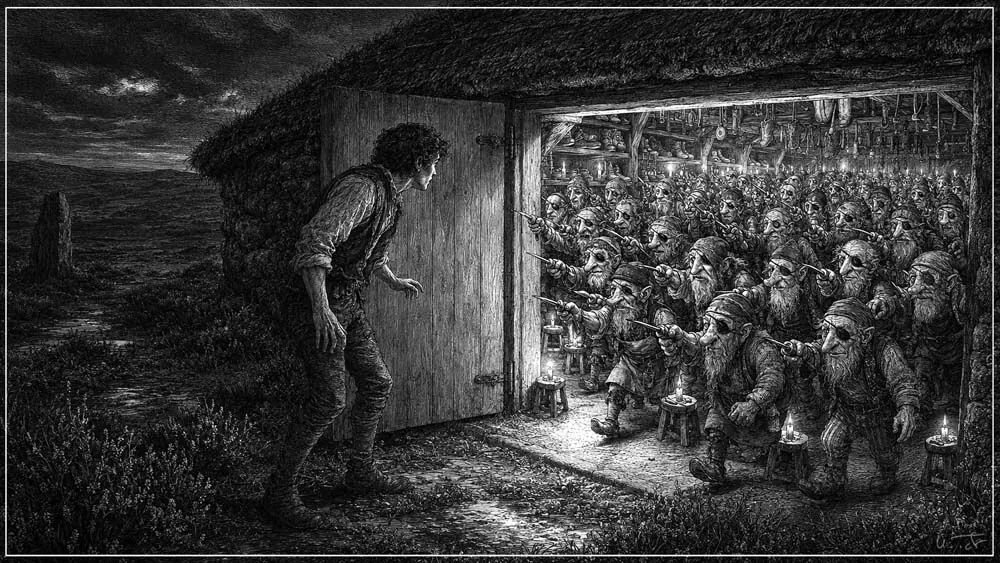
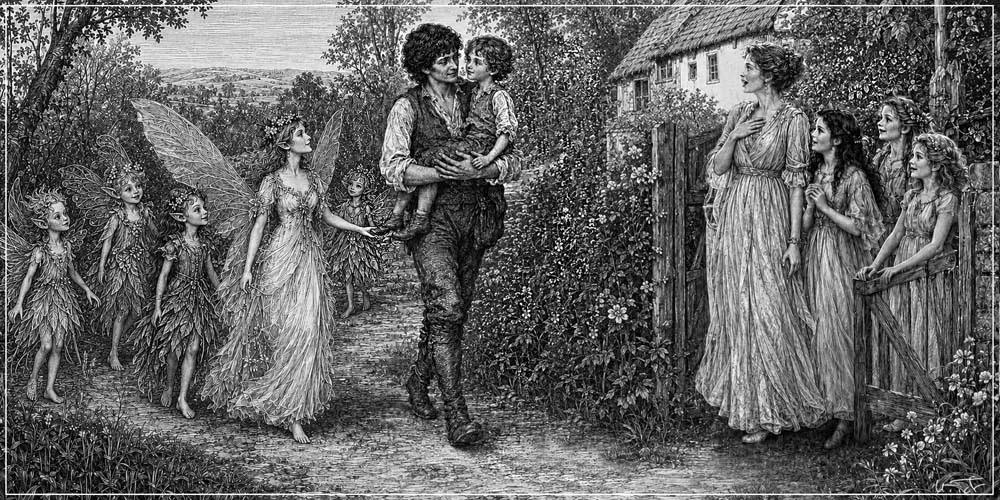
His quest thus becomes, at the same time, a poetic guide to reconciling thought, dreaming, and action.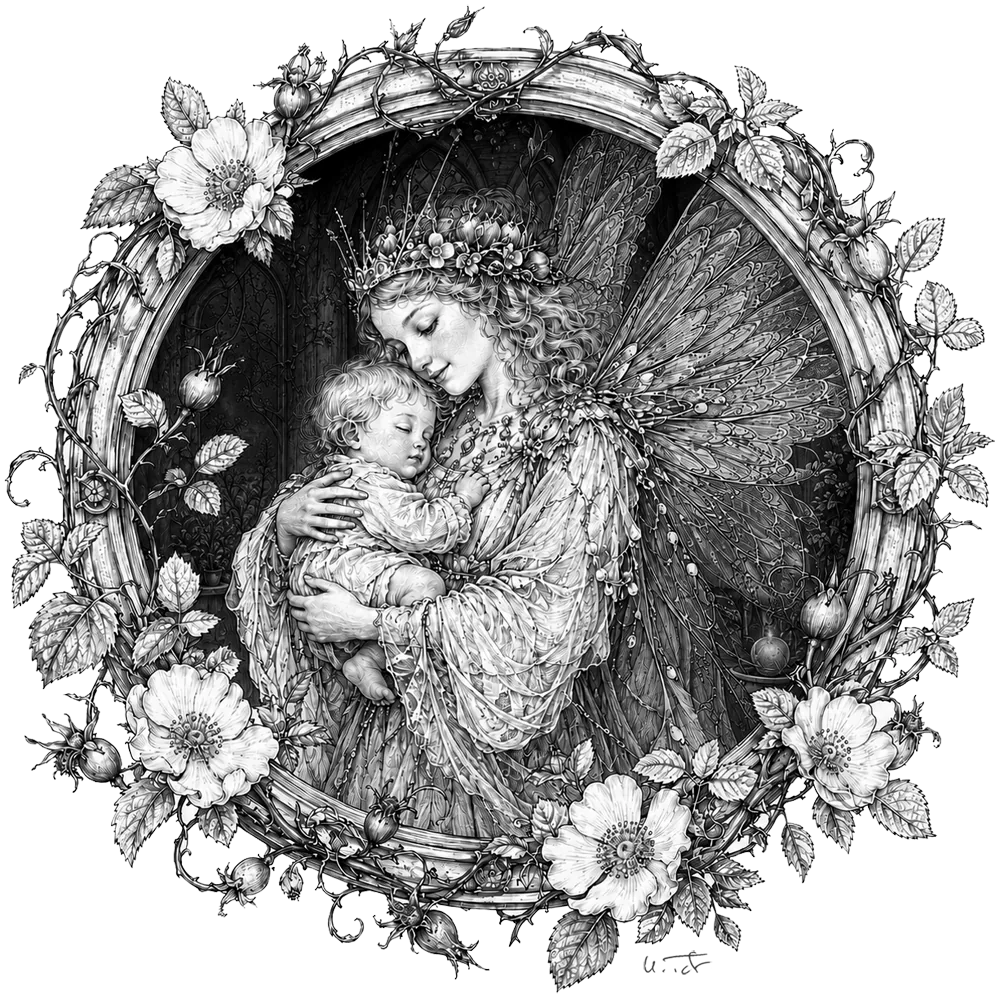
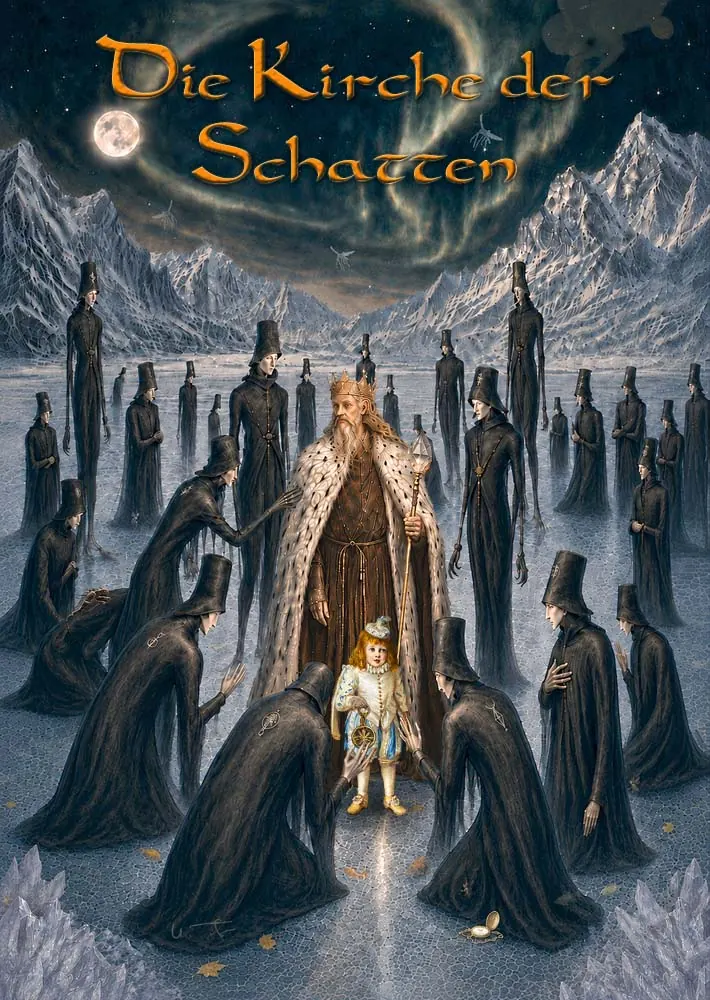
In The Church of Shadows, the caricaturist and tragic poet Radric of Glenvarmore is chosen as king of the fairy realm. When mysterious shadow beings reclaim their ancient rights over the hearts of humankind, he follows them to their sombre church.
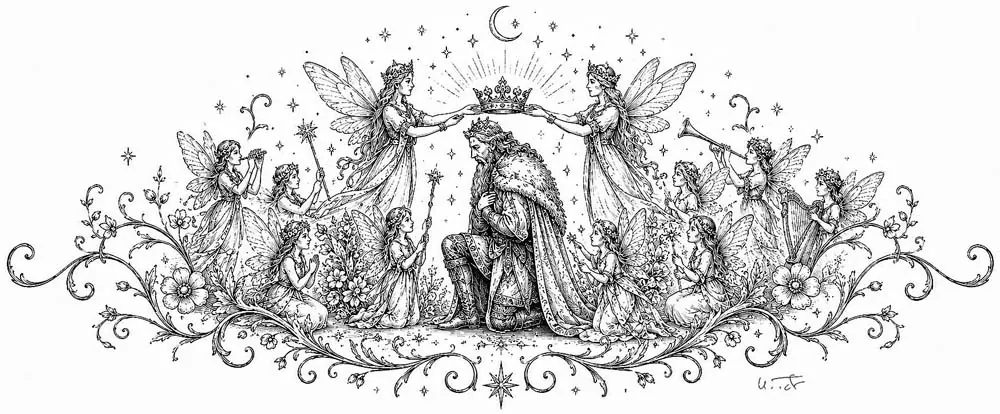
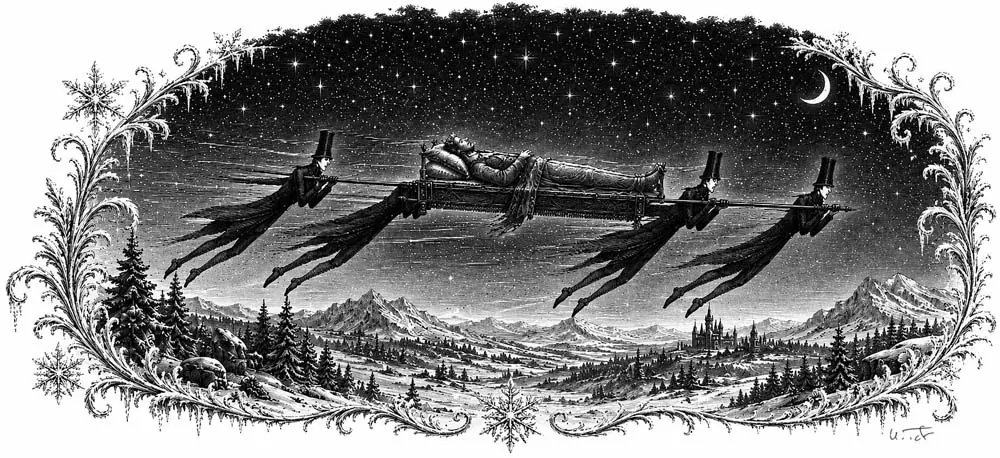
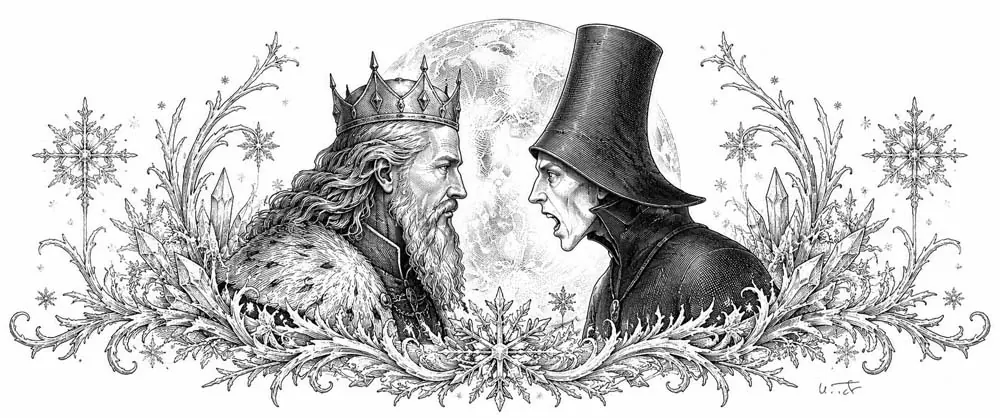
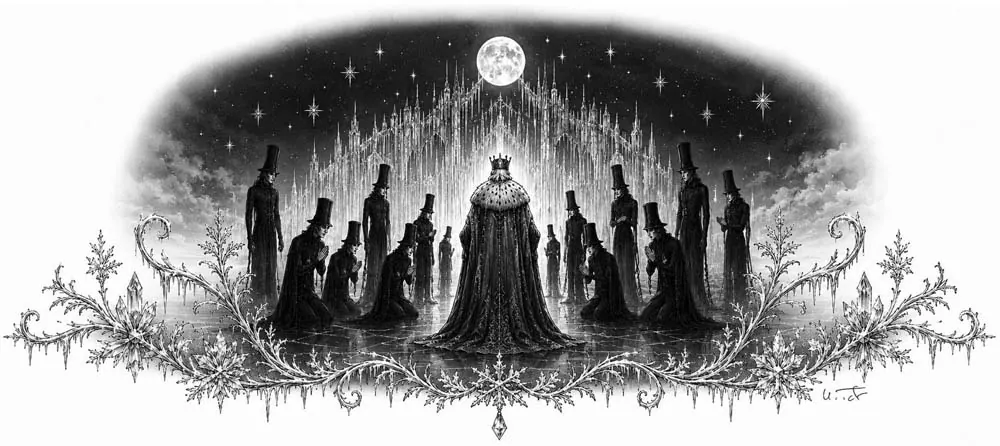
There he discovers that the shadows feed on memories, judgements, and images to which we cling. They turn the fleeting into rigidity and immediate life into a world of second-hand thoughts.
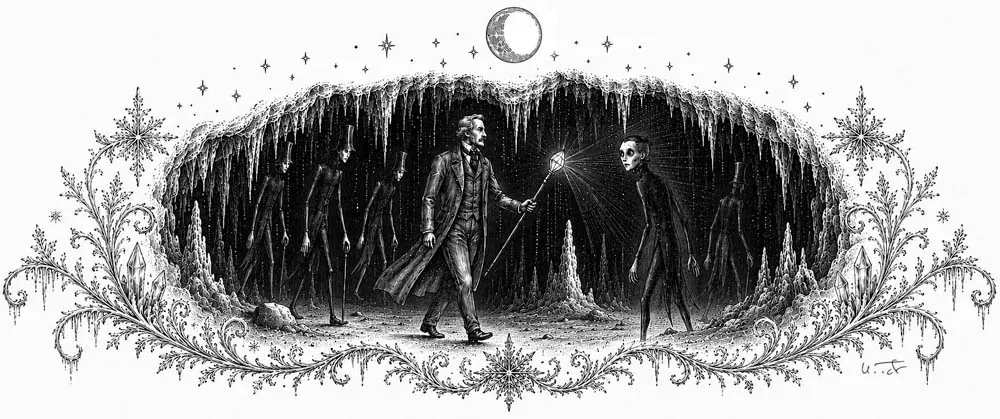
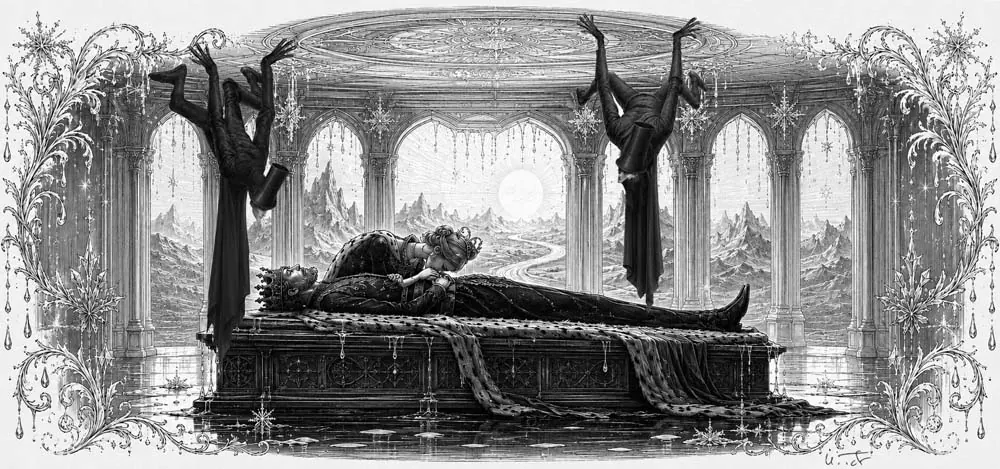
There he discovers that the shadows feed on memories, judgements, and images to which we cling. They turn the fleeting into rigidity and immediate life into a world of second-hand thoughts.
From this, MacDonald creates an allegory that is both uncanny and strikingly modern: a consciousness that mistakes its own ideas for reality and thereby perpetually recreates fear, guilt, hatred, and unfulfilled desire.
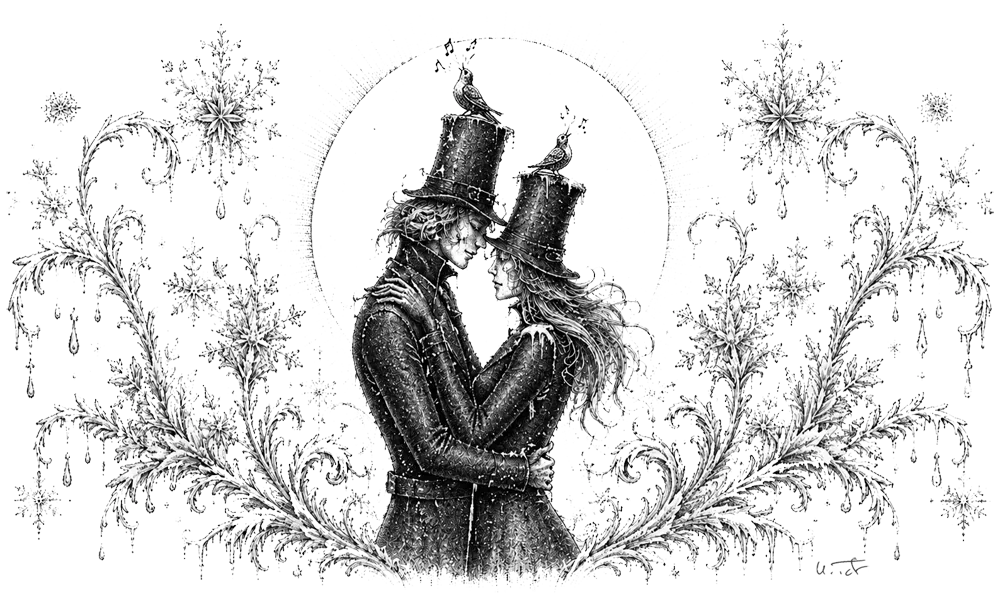
These three tales, masterfully translated into German for the first time and adapted by Ulrich Taschow, once again reveal George MacDonald as one of the great pioneers of modern fantasy. Yet unlike many of his successors, the marvellous in MacDonald is neither an escape from reality nor merely decorative enchantment, but an active participant in and examiner of inner truth. His fairy realms are landscapes of the soul in which social masks, inner alienation, and inherited certainties lose their power. Poetic, eccentric, luminous and dark at once, these three stories tell of how human beings may recover lost vision, inner freedom, and the capacity to love—and why the childlike imagination must not be overcome, but preserved.
Contents
Der Weg zwischen Vor und Hinter 11
1. Der Plan der Feenkönigin 13
2. Das Land zwischen Vor und Hinter 16
3. Der Regenschirmverkäufer 22
4. Von Baum zu Baum – die Eine-Keine-Eule 29
5. Die Angst, die wie Liebe spricht 39
6. In den Fängen des Küchenzwerges 44
7. Das Geschenk der Feenkönigin 52
Carasoyn oder die Suche nach dem Glück 57
1. Der Bach Trixivelle 59
2. Königin Aeloria und die Feenflotte 65
3. Die alte Frau und die Henne Jenniby 75
4. Der Goblin-Schmid 83
5. Der Weinberg im Moor 91
6. Die Befreiung 96
7. Fremdlinge 105
8. Die Rache 108
9. Das Grauen 113
10. Die Umkehr 117
11. Der Goblin-Schuster 122
12. Friede und Versöhnung 128
Die Kirche der Schatten 137
1. Die Wahl des Feenkönigs 139
2. Die nächtliche Erscheinung 142
3. Unter dem Nordlicht 148
4. Die Bitte der Schatten 153
5. Tee und Toast 159
6. Die Kirche der Schatten 161
7. Das Urteil des Königs 178
Nachwort
Die Welt hinter der Welt – George MacDonald als Pionier der fantastischen und psychologischen Literatur 187
Das Märchen als Erkenntnisform 189
Das Kind und die verlorene Ganzheit 191
Carasoyn – Träumen und Arbeiten zugleich 192
Das Märchen als vorweggenommene
Tiefenpsychologie 195
Der zweite Verlust und die Wiederkehr
des Unbewältigten 198
Die verschwundene Prinzessin – Erziehung als Erwachen 202
Das Zweite Gesicht – Liebe gegen die Normalität der Entfremdung 206
Der Weg zwischen Vor und Hinter – Freiheit jenseits gesellschaftlicher Rollenspiele 207
Die Kirche der Schatten – Das Leben aus zweiter Hand 209
Die dunkle Gegenkirche der ewigen Schuld 211
TauMond – Das Feenland als Seelenraum 214
MacDonald, Carroll, Tolkien, Lewis und Phillips 220
Das Gute als Wirklichkeit 222
Ein vergessener Begründer 223
JohannisMond – Vom Übersetzen zum
Weiterschreiben 226
MacDonalds Werke im Avox Verlag 229
Die phantastische Imagination von G. MacDonald 231
George MacDonald — A Forgotten Founder
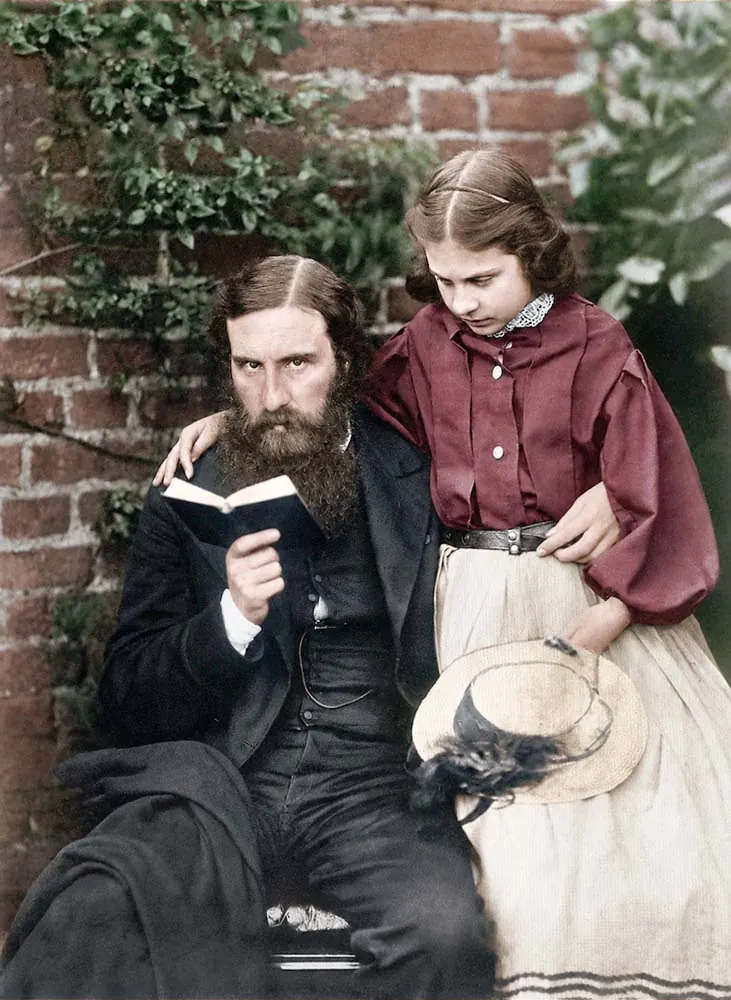
George MacDonald with his daughter Lilia, 1860, photographed by Lewis Carroll
To call George MacDonald a founder of modern fantasy is not mere publisher’s hyperbole, provided that we understand correctly what is meant by “founder”. He was not the first to invent fairies, enchanted forests, fantastic journeys, or talking creatures. Such things have formed part of human storytelling for thousands of years. His historical achievement lies instead in having created, out of Romantic fairy-tale poetics, Christian mysticism, Scottish tradition, and an extraordinarily modern understanding of the psyche, a new form of literary fantasy that had not existed in this way before. In MacDonald, fairyland becomes a medium of individual development. The marvellous is at once a psychological process, a moral trial, and a metaphysical revelation.
In doing so, MacDonald opened a space in which later authors could take very different paths: Carroll the path of nonsense, Tolkien that of mythopoeia, Lewis and Phillips that of theological fantasy, and Phillips, in addition, that of Scottish mysticism and fantasy. Many of the fundamental movements of modern fantastic literature are already present in MacDonald: the passage into a hidden reality, the hero’s initiation, the search for a lost identity, the intrusion of the marvellous into everyday life, and the recognition that the visible world does not encompass the whole of reality.
Yet MacDonald remains stranger and more radical than many of his successors. His worlds are less self-contained, his symbols less controllable, and the boundaries between inner and outer reality more permeable. He offers the reader no fully mapped cosmology. He opens a door and asks each person to pass through it for themselves. Perhaps this is one reason for his relative neglect today. Modern literary criticism tends to divide children’s literature from adult literature, religion from psychology, entertainment from knowledge, fairy tale from serious literature. MacDonald radically resists such stereotypical categories. His works are childlike and philosophical, Christian and socially critical, playful and serious, dreamlike and psychologically exact. Precisely for this reason, they deserve to be read and appreciated anew.
For MacDonald writes of a danger that has not diminished since the nineteenth century. Modern human beings possess ever greater stores of knowledge, images, and technological possibilities, while their immediate relationship with life threatens to wither. They confuse information with understanding, social function with identity, mental representations with reality, and artificial stimulation with vitality. MacDonald’s fairy tales point in another direction. They call on us to learn once again to distinguish: between dream and numbness, work and mere functioning, love and possession, imagination and self-deception, reality and shadow. They promise no return to a lost past. They point toward a more mature wholeness. Human beings should not abandon reason, but fill it with imagination. They should not surrender their individuality, but free it from alien images. They should not flee the world, but enter into it more deeply. And they should not preserve the child within as something frozen in time, but allow it to grow up alongside them.
Perhaps true fairyland begins precisely there: not beyond the boundaries of reality, but beyond the boundaries of our ordinary perception.