
Beschreibung
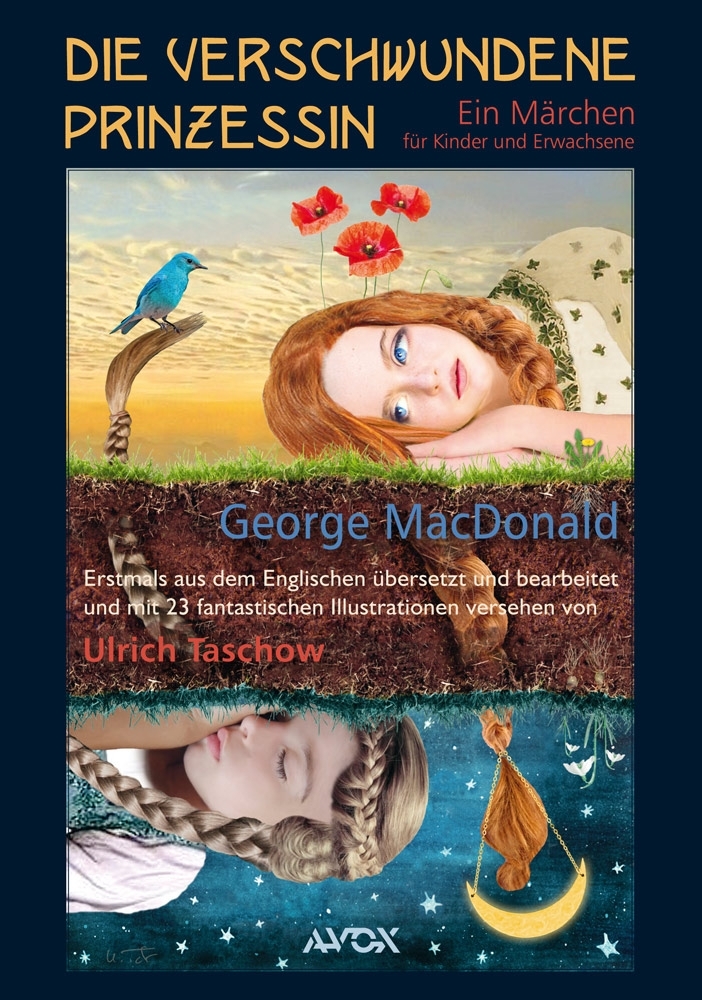
Die verschwundene Prinzessin
A fairy tale for children and adults by George MacDonald
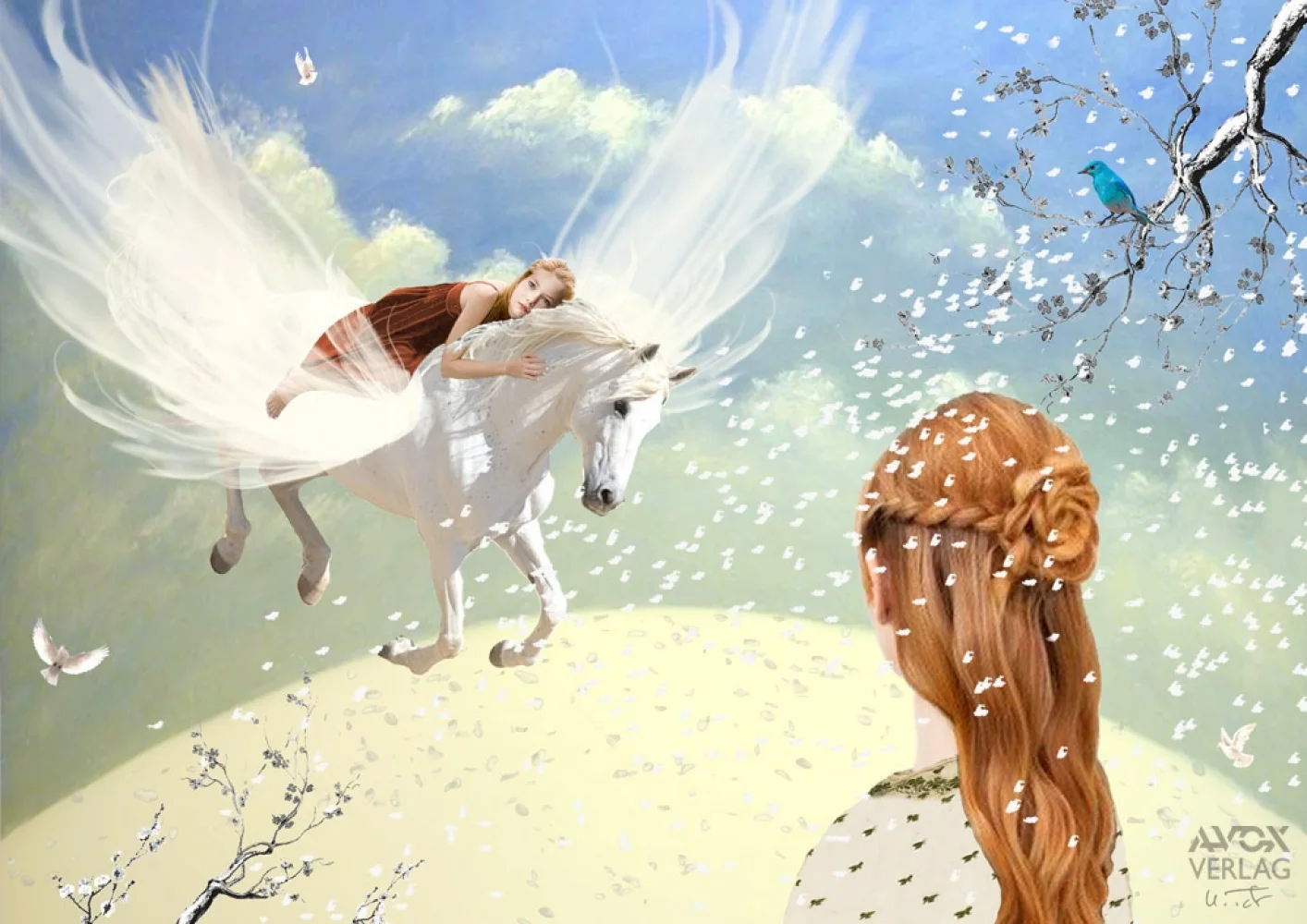
translated from English and adapted by Ulrich Taschow, with 23 fantastic illustrations by Ulrich Taschow
178 pages, 23 illustrations, published in 2017, paperback edition, series: avox fantasia, ISBN: 978-3-936979-19-0, Reading Sample
Target groups
Children aged 8 and up, adults, lovers of sophisticated literary fairy tales, fairy stories, and fantasy
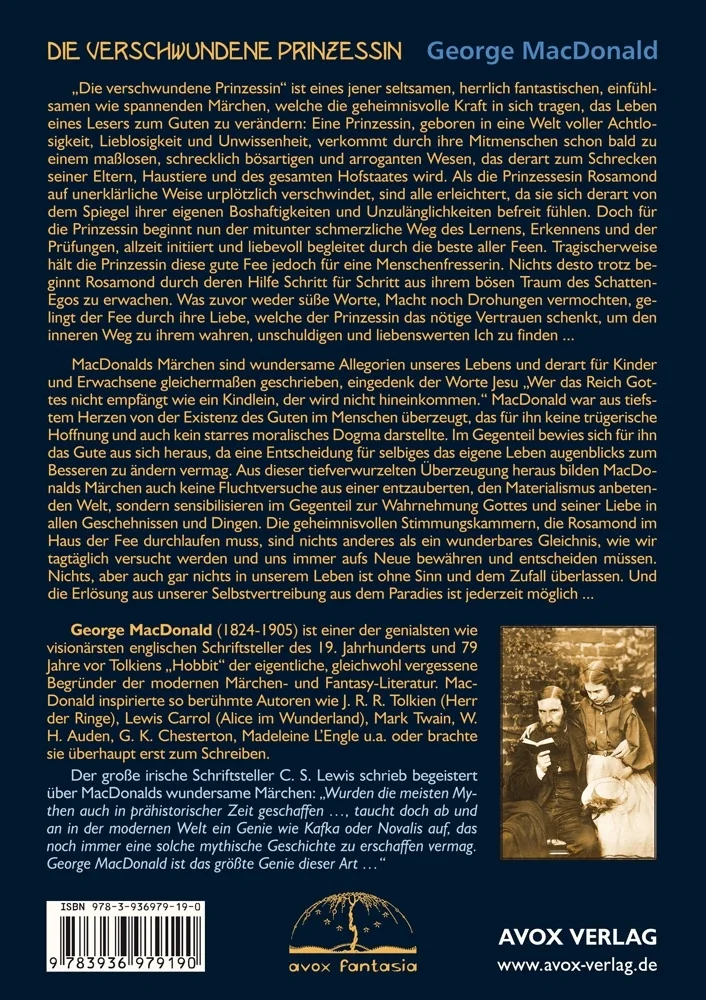
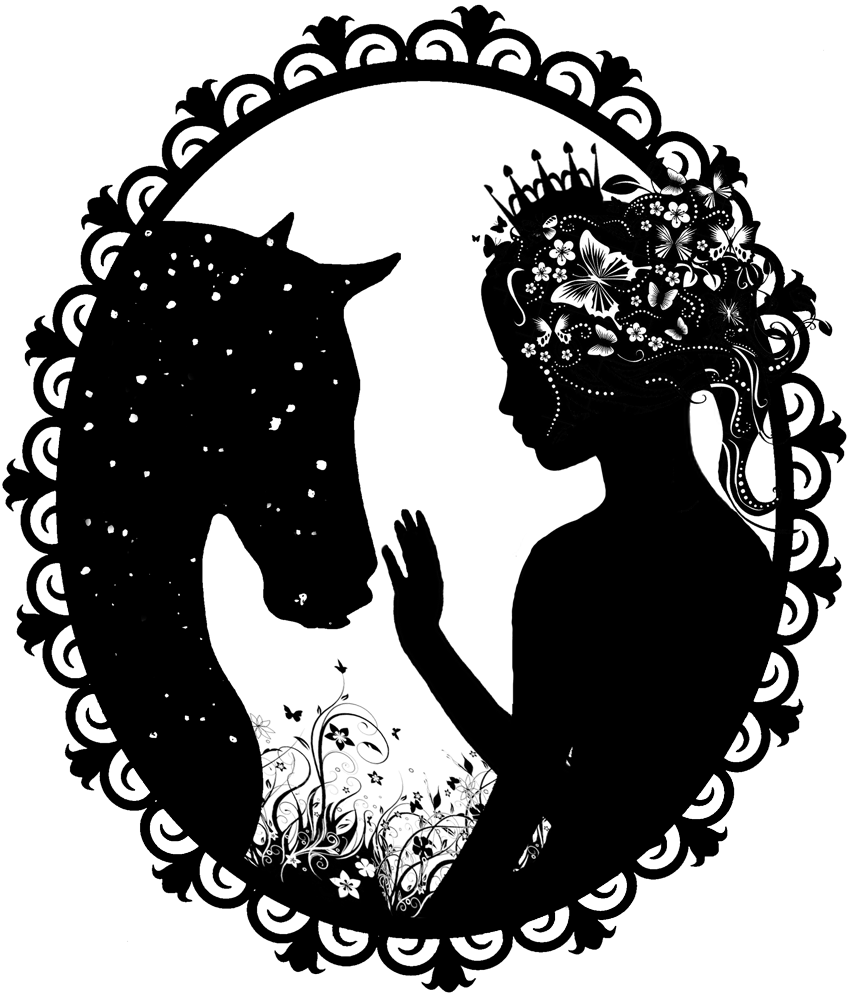 Die verschwundene Prinzessin is one of those strange, wonderfully fantastic, sensitive, and suspenseful fairy tales that carry within them the mysterious power to change a reader’s life for the better:
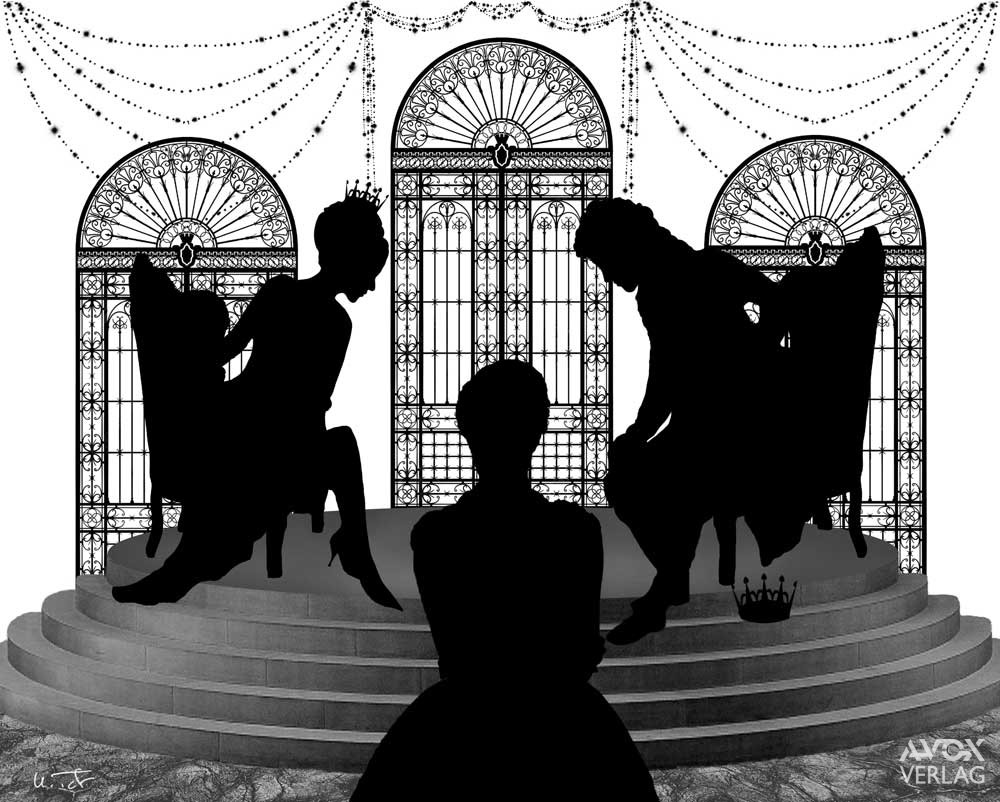
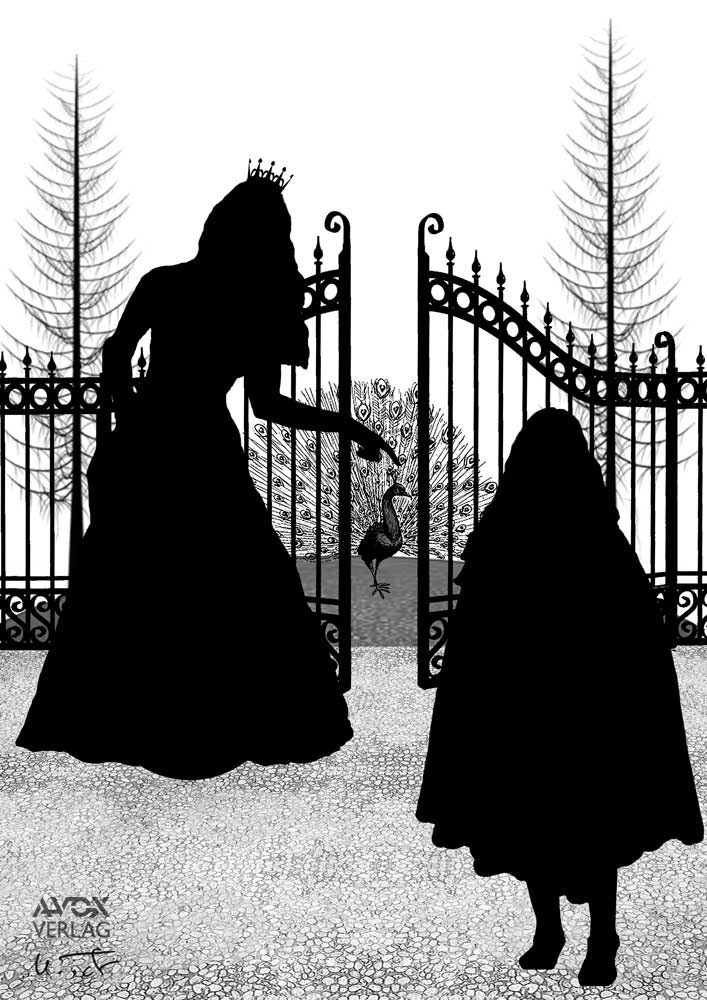
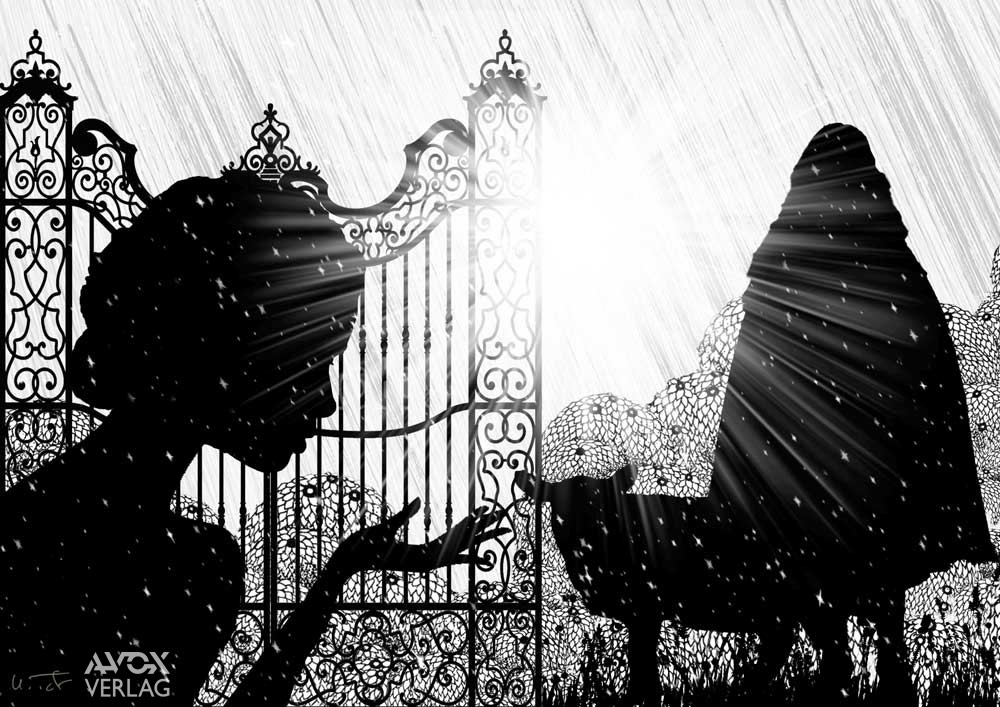
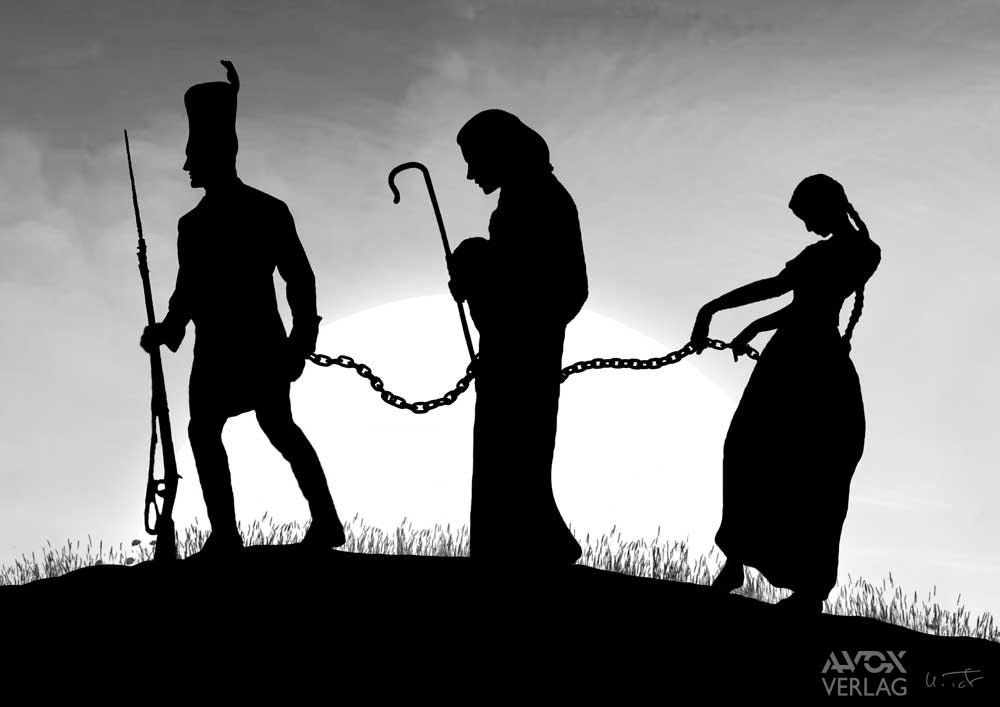
A princess, born into a world full of carelessness, lovelessness, and ignorance, is soon turned by the people around her into a boundless, terribly malicious, and arrogant being, becoming a terror to her parents, pets, and the entire court. When Princess Rosamond suddenly disappears in an inexplicable way, everyone is relieved, feeling freed from the mirror of their own malice and inadequacy. But for the princess, the sometimes painful path of learning, recognition, and trials now begins, always initiated and lovingly accompanied by the best of all fairies.
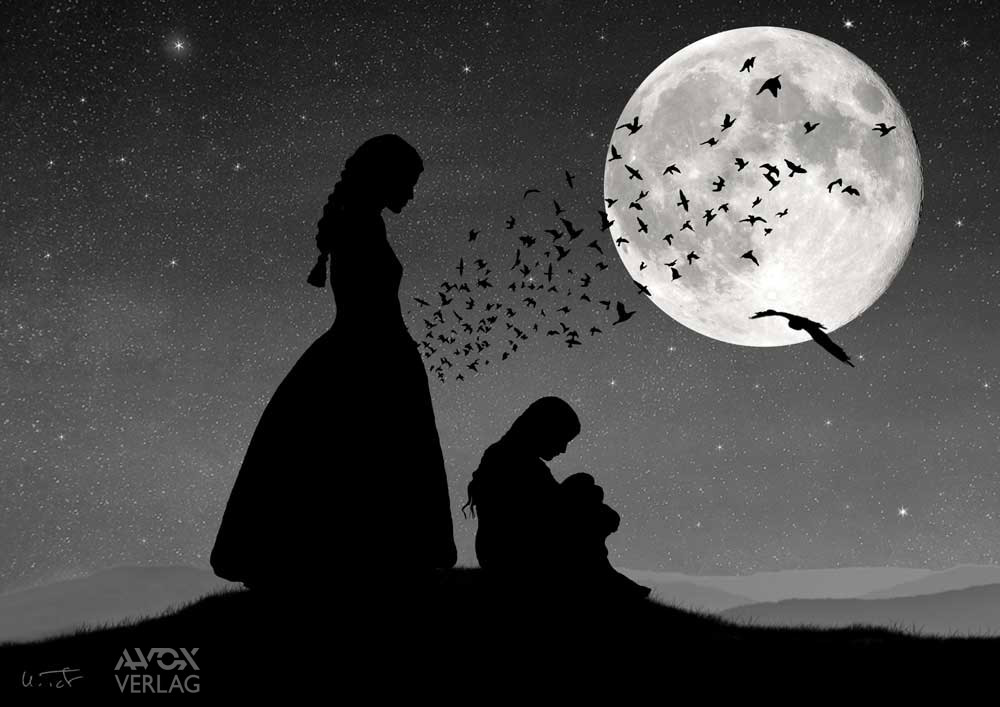
Tragically, however, the princess takes this good fairy for a man-eater. Nevertheless, with the fairy’s help, Rosamond begins step by step to awaken from the evil dream of her shadow ego.
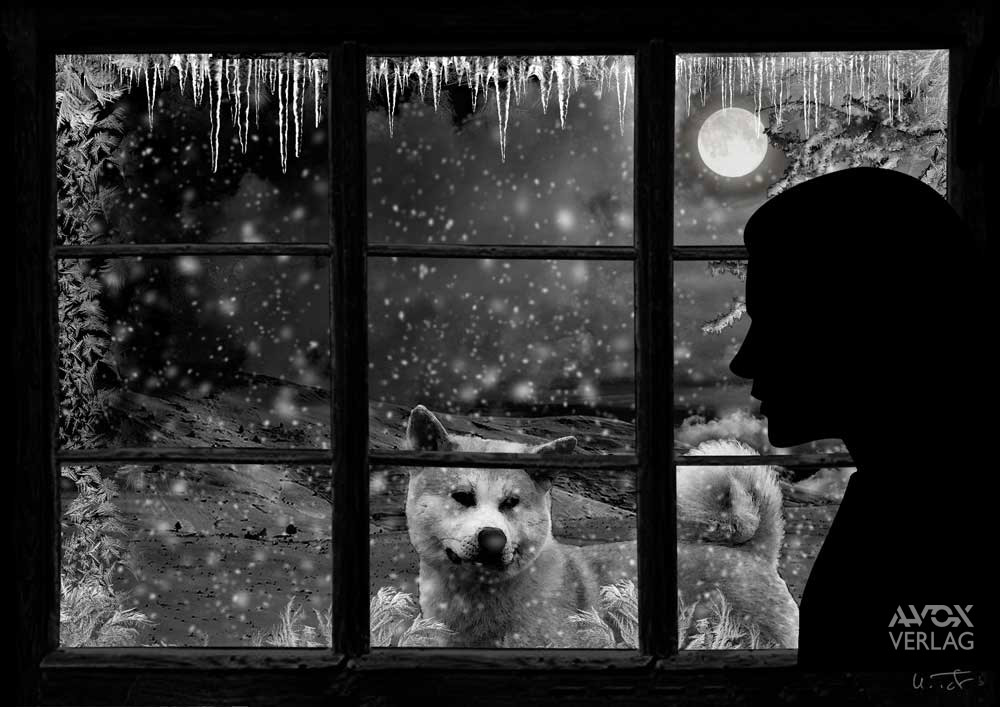
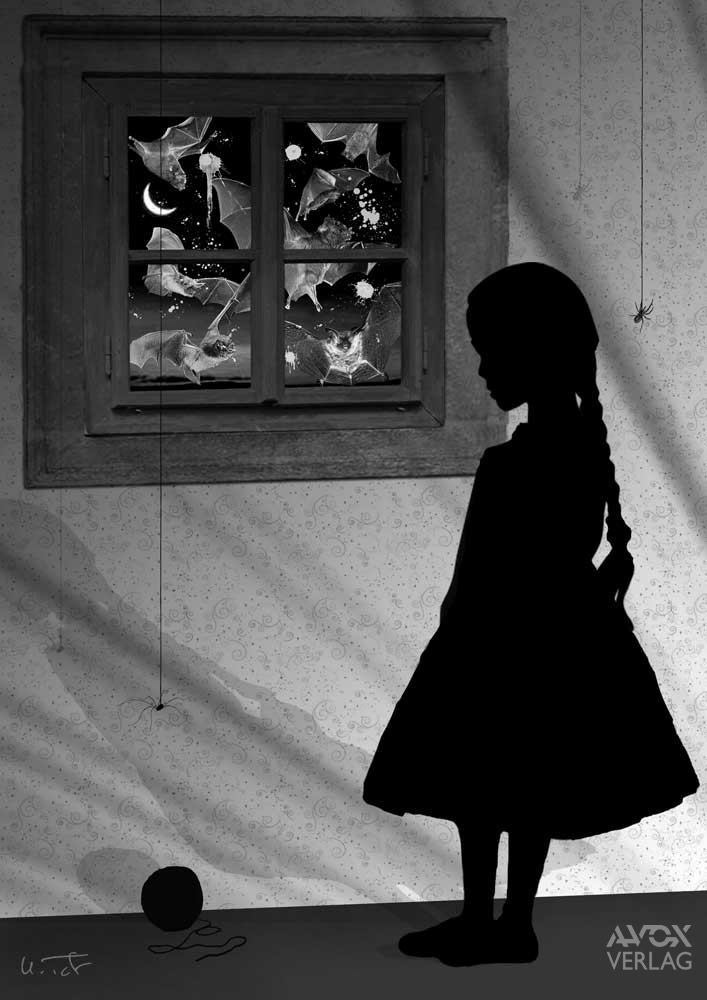
What neither sweet words, power, nor threats could accomplish before is achieved by the fairy through her love, which gives the princess the trust she needs to find the inner path to her true, innocent, and lovable self ...
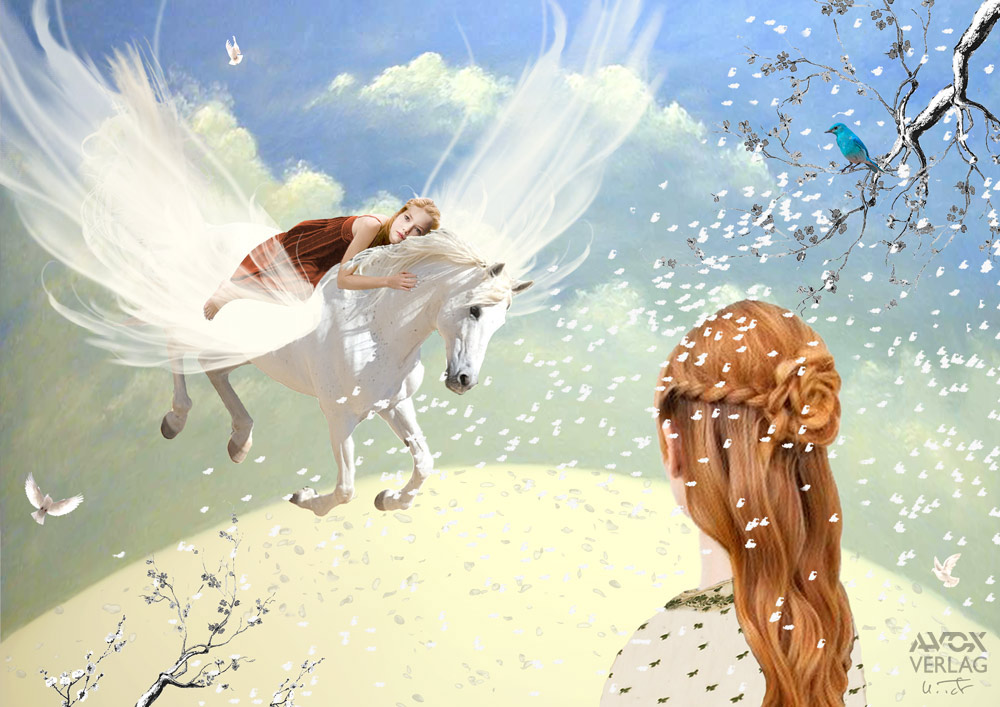
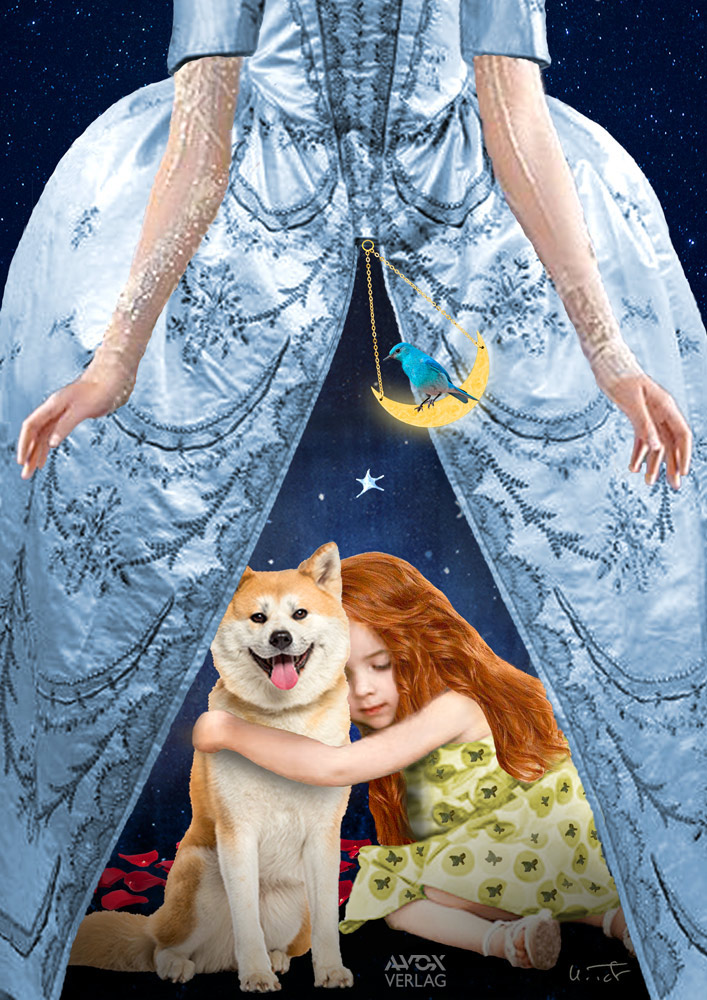
MacDonald’s fairy tales are wondrous allegories of our life, and as such they are written equally for children and adults, mindful of the words of Jesus: “Whoever does not receive the kingdom of God like a little child will not enter it.”
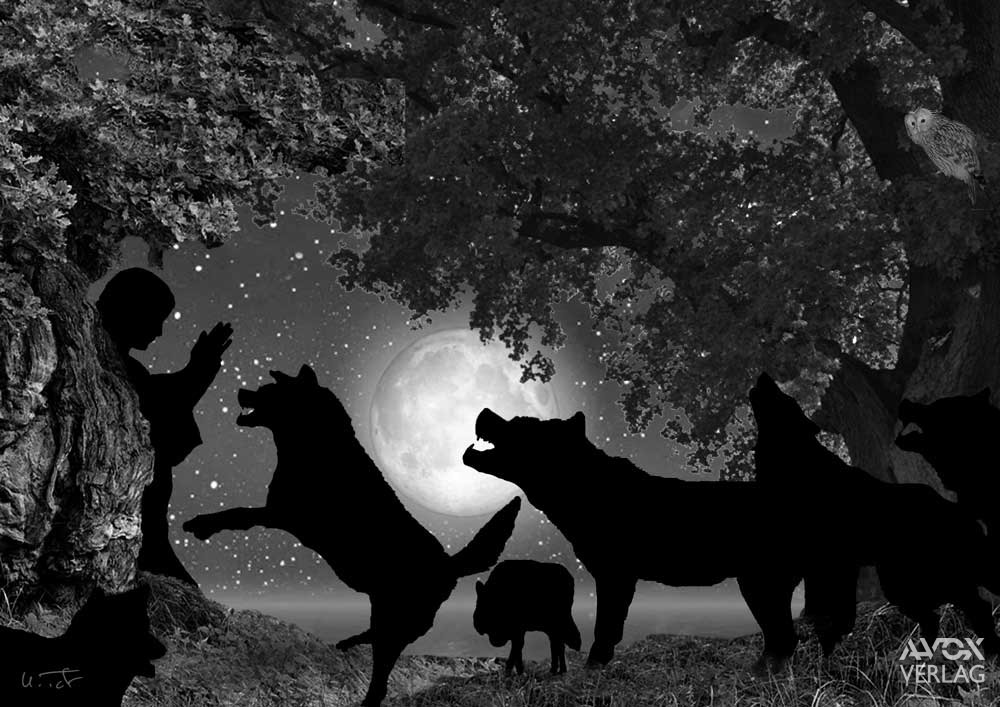
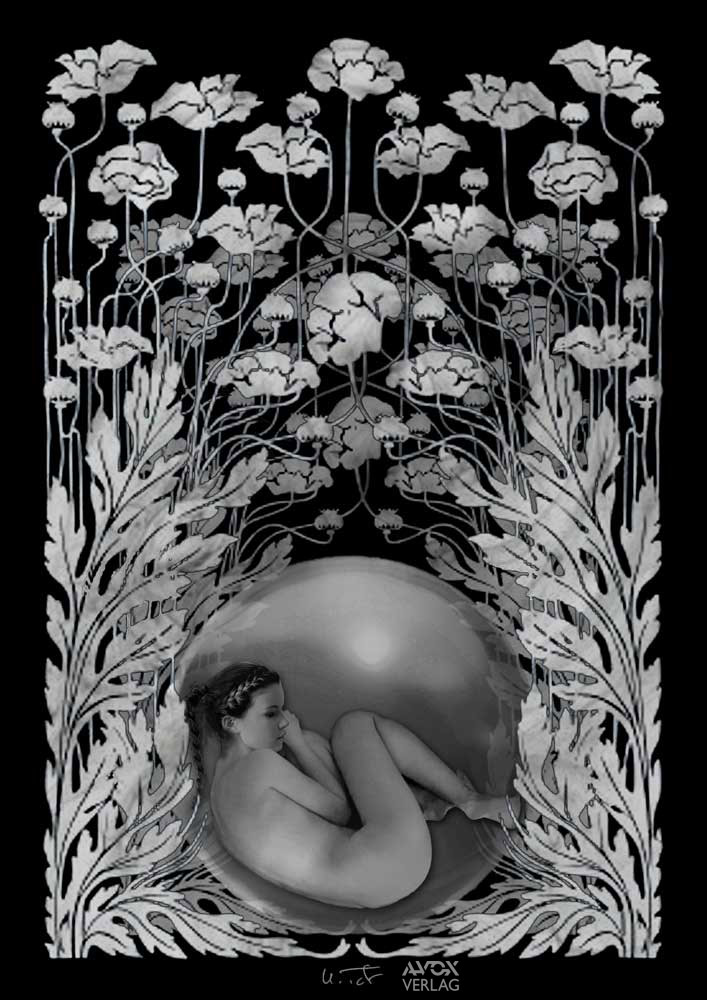
MacDonald was convinced from the depths of his heart of the existence of goodness in human beings, which for him was neither a deceptive hope nor a rigid moral dogma. On the contrary, goodness proved itself from within, because a decision in its favor is able to change one’s own life for the better in an instant.
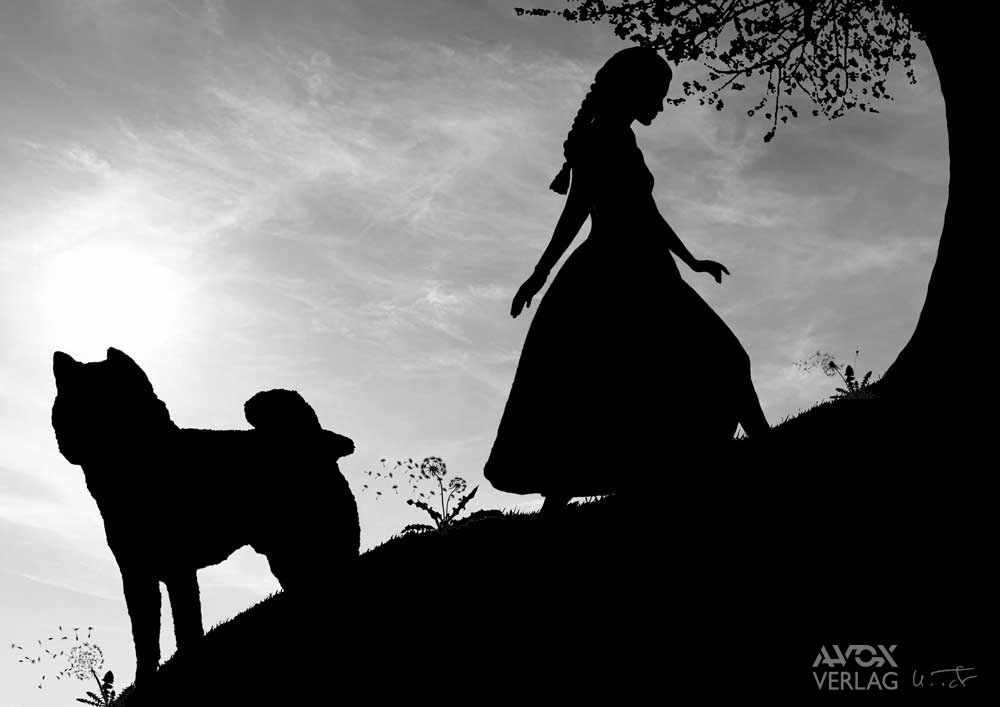
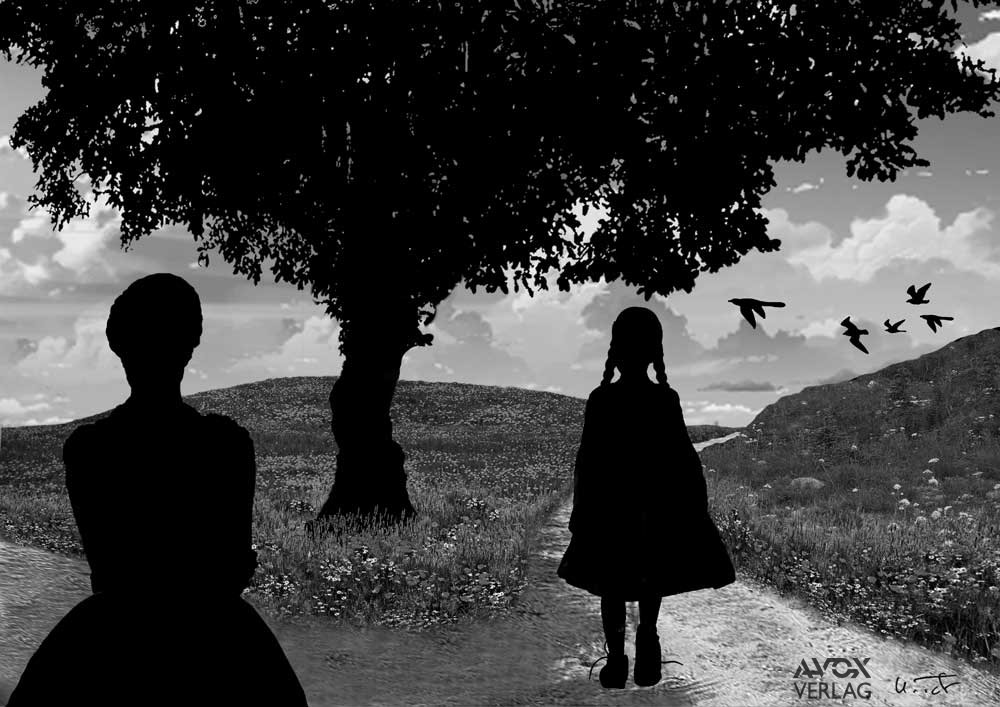
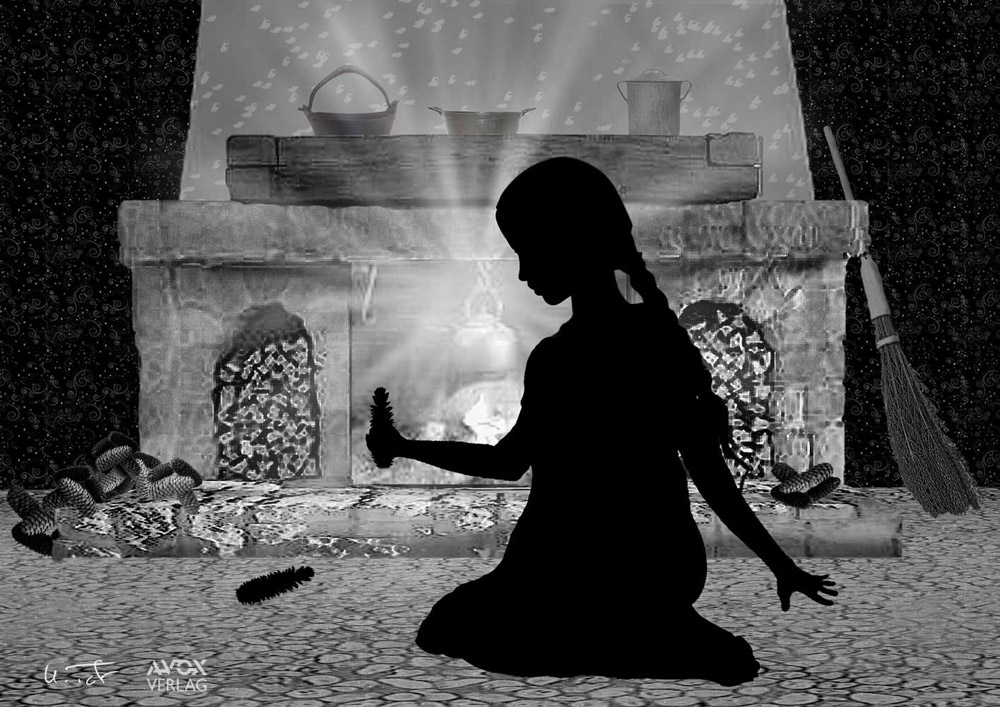
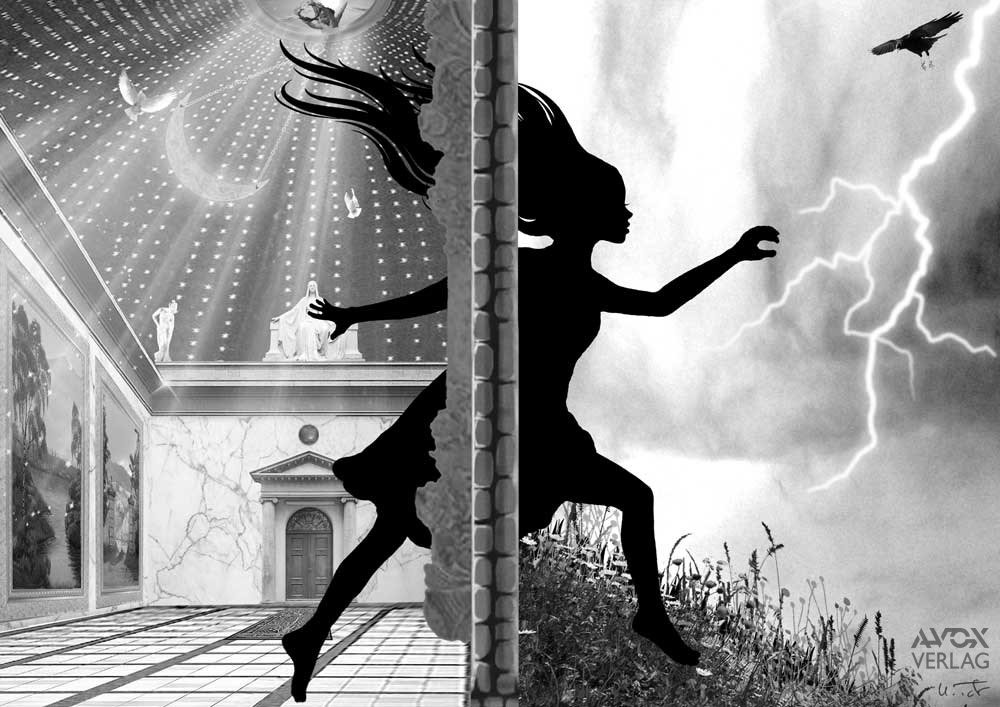
From this deeply rooted conviction, MacDonald’s fairy tales are not attempts to escape from a disenchanted world worshipping materialism. On the contrary, they heighten our perception of God and his love in all events and things.
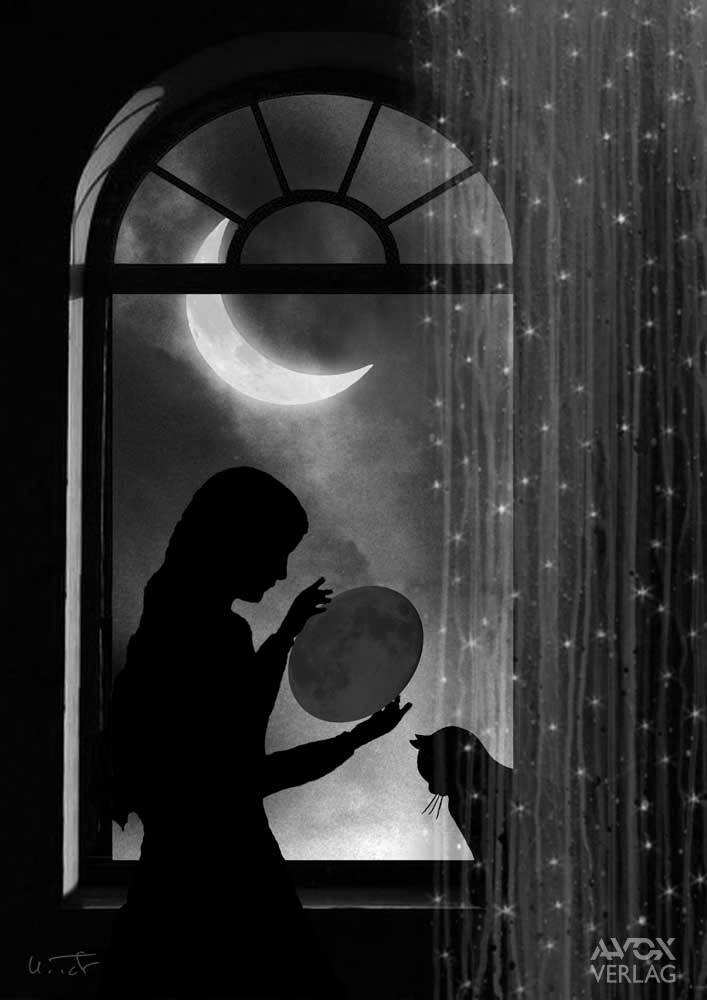
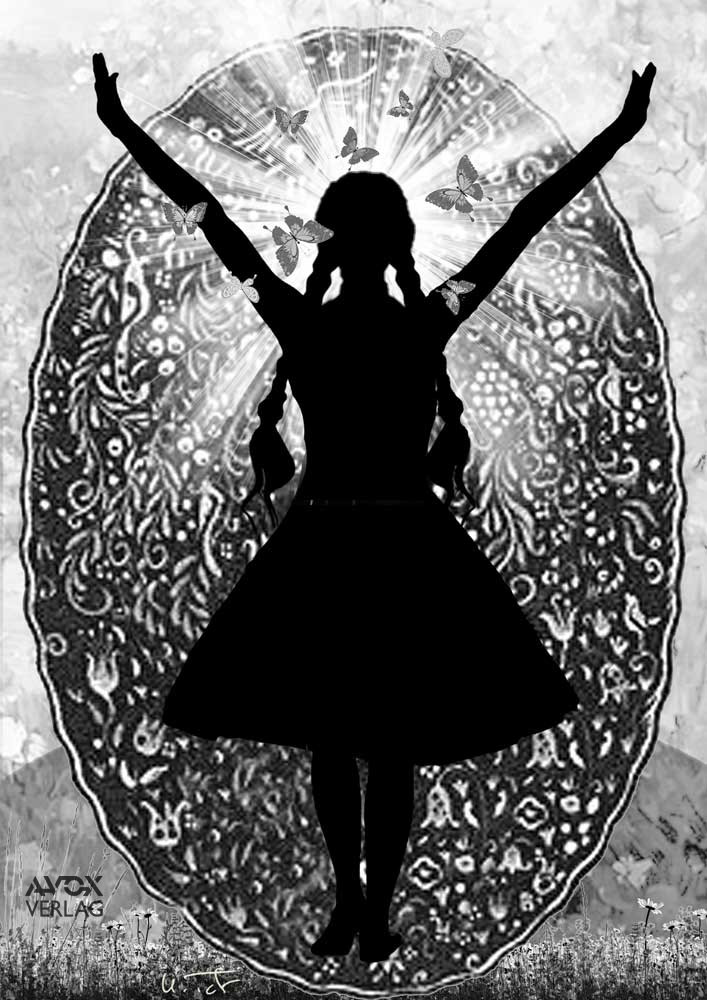
The mysterious chambers of mood through which Rosamond must pass in the fairy’s house are nothing other than a wonderful parable of how we are tempted every day and must continually prove ourselves and decide anew. Nothing, absolutely nothing in our life, is without meaning or left to chance. And redemption from our self-exile from paradise is possible at any time ...
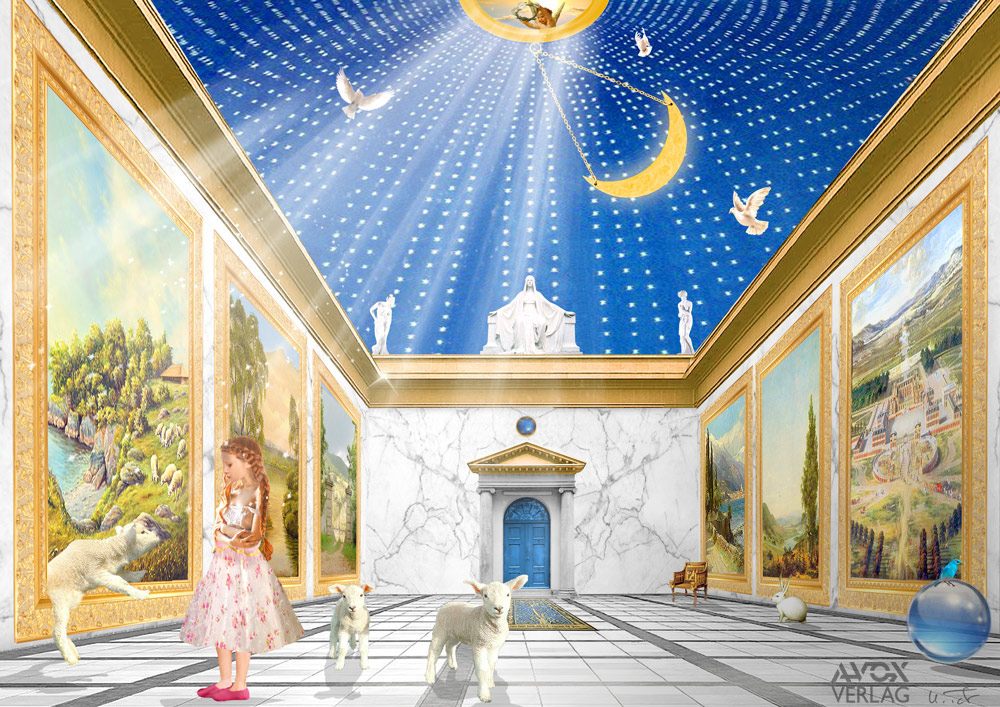
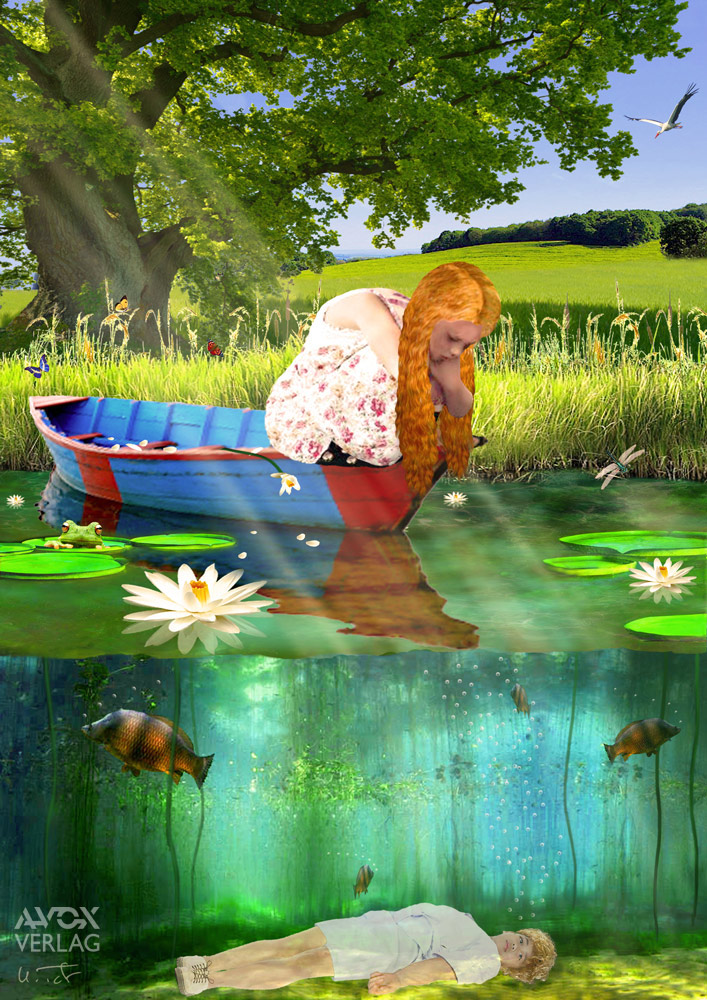
Contents
1. Rain and Hail 9
2. More and More 15
3. The Wise Fairy 21
4. The Vanished Princess 26
5. Trust 36
6. The Invisible Door 41
7. In the Fairy’s House 50
8. A Terrible Night 57
9. Hunger 62
10. The Mysterious Painting 69
11. The Shepherd’s Daughter 74
12. The Uncanny Child 81
13. The Ugly Shadow 90
14. Taming 98
15. Prince Disappears 111
16. Anne at the King’s Court 116
17. The Fork in the Road 124
18. The Trial 135
19. The Wondrous Girl in the Forest 145
20. Home 159
21. The Fairy’s Judgment 171
Epilogue 177
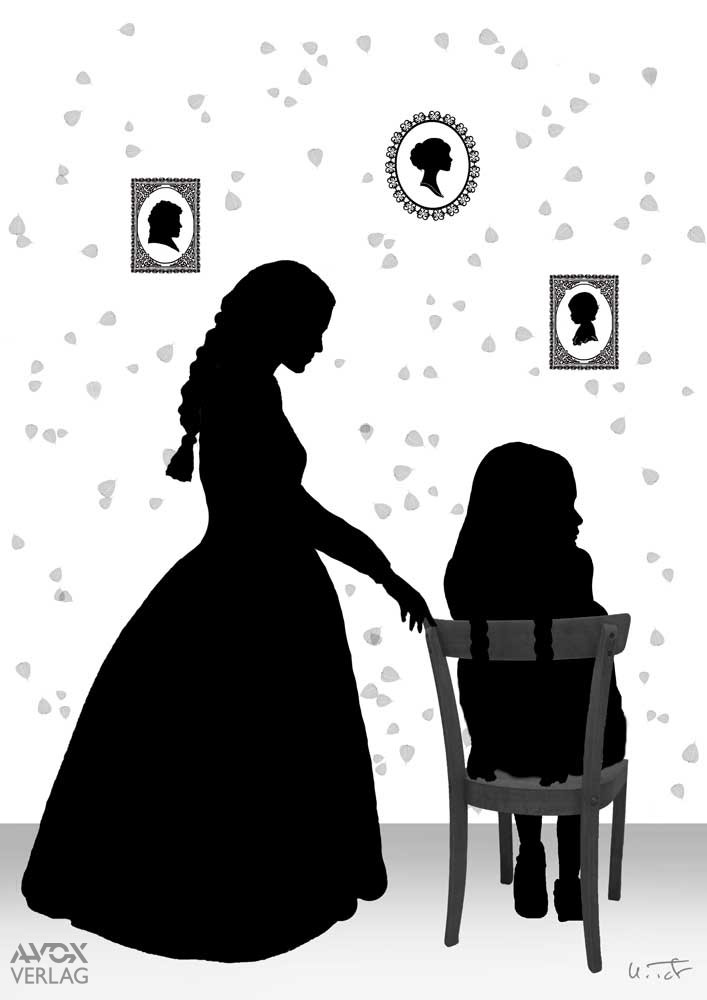
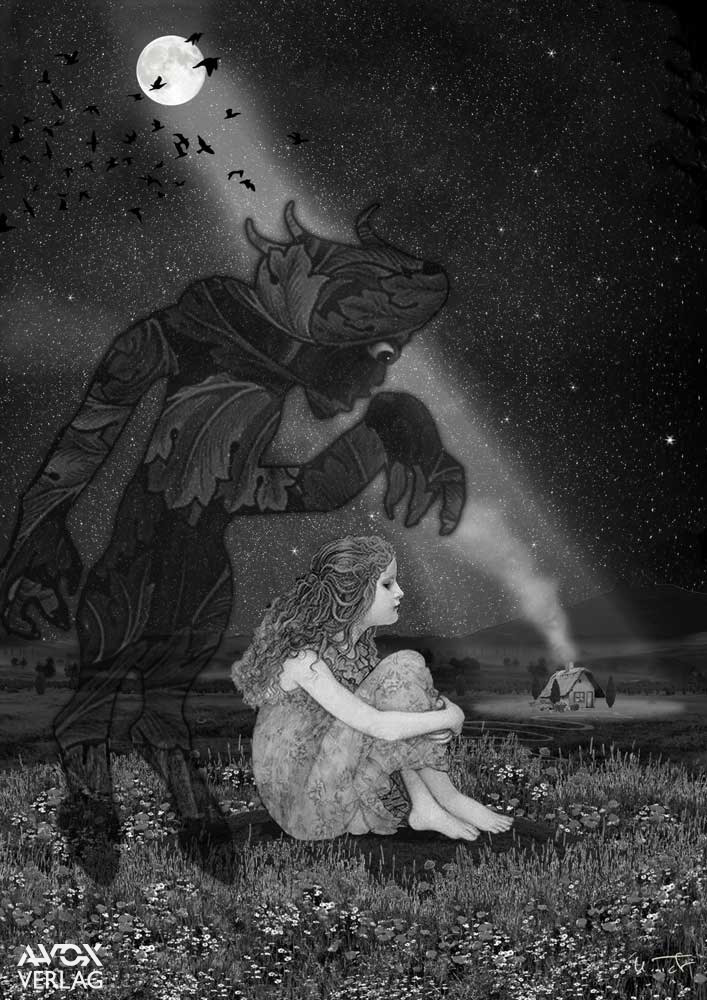
George MacDonald (1824-1905) is one of the most brilliant and visionary English writers of the nineteenth century and, seventy-nine years before Tolkien’s Hobbit, the true yet largely forgotten founder of modern fairy-tale and fantasy literature. MacDonald inspired such famous authors as J. R. R. Tolkien (The Lord of the Rings), Lewis Carroll (Alice in Wonderland), Mark Twain, W. H. Auden, G. K. Chesterton, Madeleine L’Engle, and others, or first brought them to writing at all.
The great Irish writer C. S. Lewis wrote enthusiastically about MacDonald’s wondrous fairy tales: “Although most myths were created in prehistoric times, every now and then a genius such as Kafka or Novalis appears in the modern world who is still able to create such a mythical story. George MacDonald is the greatest genius of this kind ...”
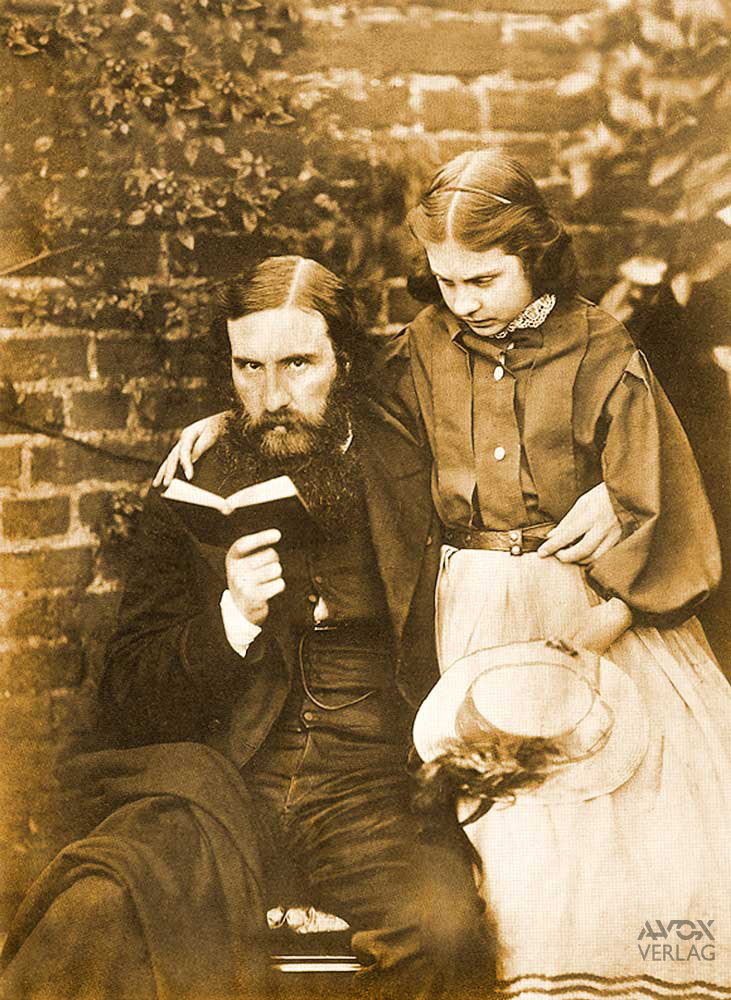 George MacDonald with daughter Lilia, 1860